Sun streamed down onto the roof terrace, as I sat with Molly, basking in the warmth that was sporadically stripped away by a gust of the cold breeze. Adjusting the cushion on the overly upright metal chair, I tried to summon the motivation to get our kit sorted and head out climbing, make the most of the weather. I failed and continued to sit there, feeling the heat on my skin shift as the sun slid inexorably down towards the horizon. The 3am start to catch our flight had drained me. I could only imagine how Molly felt, having had to do the driving out into the mountains while I napped in the passenger seat. I felt guilty, she must be even more tired than I am.
We’d arrived at the gite in the early afternoon and had been welcomed in. Molly’s recollection of French from school had abandoned her and I was no better as I had opted to study Spanish instead. The only notion of the French language my tired brain could retrieve was a tale of a family friend who had gone to a boulangerie in Fontainebleau to get some bread and realised the only number he knew in French was ‘soixante-neuf’, he didn’t need that many baguettes, and the anecdote wasn’t that useful right now. I stood by as Molly reverted to sign language and smiles to do our introductions to our Moroccan hosts.
A classic Moroccan landscape in the Anti-Atlas.
The afternoon’s warm sun is what I generally expect from Morocco. Unfortunately, the weather forecast was not sanguine about the chance of good weather for the week of our trip. To our consternation most days had at least some rain forecast. Saturday looked dry until early afternoon, so we headed to “The Crevasse”, a small roadside crag, hoping to get a route in before the rain arrived.
The routes start from the top of a huge flake that forms a bergschrund beneath the main cliff. I started up Saga Lout, feeling distinctly rusty at trad climbing having not placed any gear since our trip to Red Rock in October 2024, some 4 months ago. After an initial rising traverse, the wall bulges, feeling slightly overhanging. I pulled up into the crux sequence, flailed around ineptly and ultimately fluffed it, taking the ride onto my gear. It took multiple attempts to head back up, locate the critical holds and piece together how to use them. Eventually I made it past the crux and crack that followed, up to where the angle eases for a final slab. I pulled over the change of angle only to feel the first spots of rain on my face. I scurried as fast as I could to the top of the route, my sixth sense coming into its own as I found the anchor and abseil station immediately. The rain intensified as Molly climbed and by the time she reached the final slab it was soaked and unclimbable, forcing her to yard on the rope. Abseiling quickly to the base of the route we sheltered in the crevasse, out in the valley the wind whipped the rain, we’d made a good crag choice as we were shielded from the worst of the weather. Even so, the rain had truly set in now, everything was soaked, and we scuttled back to the car, the rest of the day was a write off.
Jesse mid-route on the Money Shot E1 on Sentinel Rock.
In the morning the rain had ebbed, but the clouds clung to the mountains and threatened. We decided our best bet of staying dry was to head south out of the main massif to the Ameln Valley near Tafraout. During our last trip to Morocco in November 2023, it had been scorchingly hot, we had climbed at the north facing Black Crag with the temperature in the mid-thirties. Back then, we had skipped climbing at the nearby Sentinel Rock, as the crag faces south and we feared melting faster than a lolly under a blowtorch but now south-facing sounded ideal and even better Sentinel Rock is a small rock tower, it shouldn’t hold any water from the previous night’s rain and if the rain did catch us the routes are only short and so easy to run away from. Driving down out of the mountains in the north felt familiar behaviour for a British trad climber, the habit of running from the rain to Tremadog translated to the Anti-Atlas.
We parked up outside the village beneath the crag, Molly doing her best to decipher the rather enigmatic description of how to reach the crag. She guided me through the literal maze of small seemingly abandoned mud-built huts packed so close together the alleys between them were narrower than my wingspan. Jinking left then right we rose through the village and up the short escarpment behind, to arrive below Sentinel Rock. The highlight of the climbing was Money Shot, my trad skills still felt rusty, but at least my fingers felt strong.
Jesse on Trafalgar Crack E2+ on the granite outside Tafraout.
The pattern of running from the mountains to escape the weather continued through the trip, the comprehensive tick list of mountain routes we’d compiled beforehand remained unticked as we spent multiple days in the Ameln Valley or on the granite just outside Tafraout. However, there were several routes that stood out for me, the crack routes: Waterloo Crack, Trafalgar Crack and Onion Skin Crack. But the route that made the deepest impression on me was Pole Dancer. It climbs a freestanding pinnacle of deep orange rock that overlooks the valley, taking the foreground to a backdrop of imposing cliffs. The route climbs the tower in a mighty 40+m single pitch.
Jesse climbing Onionskin Crack E2 at Asgaour Gorge.
We had to crawl underneath a thicket of exceedingly spikey bushes to reach the base, and Molly took the opportunity to have a good inspection of the route with binoculars and decipher the snaking line the route takes. It starts from a platform on the right and then climbs left around the arete. It follows cracks on the left of the arete, past a clump of euphorbia, the nasty cactus with the stinging sap, until you are high on the tower. Then the difficulties begin. From the guidebook and her binocular inspection, Molly thought the route went back around the arete to the right face. I wasn’t sure. It seemed so improbable from where I was. The moves to get up and right onto the arete were hard, technical and balancy. I kept questioning if this was really the right way, reaching up to the left instead. “It must be up left”, “There’s no way it goes round there”, “these moves feel desperate” I thought. Only when I reached up left and dislodged a loose piece of rock did I admit to myself that the correct way must be to the right. With considerable trepidation, I moved up and right onto the sharp arete which forms a thin fin of rock beneath a steep and featureless overhanging wall above. I squatted precariously beneath the bulging wall on the fin, trying to work out how to go further right. I was stumped. Right of the fin, the wall is undercut, there is nothing to put your feet on. There is some gear, but it was a small dragonfly, not totally awe-inspiring and you would be moving horizontally away from it, increasing the potential pendulum with every move right. I faffed. Squatting uncomfortably on the fin, trying to work out what I had to do. I had already ruled out going left, straight up wasn’t an option, it must be right but it’s going to be hard, there are no footholds to speak of, well none that I can find anyway, and the handholds don’t seem great. Once I move right, I’m not going to be able to reverse the moves and if I mess it up, I’m going to swing horizontally into the arete, a nasty fall if the gear stays in, even worse if not.
Jesse at the point of no return making the improbable traverse to the right.
I must trust Molly, from this distance she can see the rough line of the route, but can’t point out any holds, it’s down to me, and with effort I swing right and past the point of no return. Dropping my feet lower to smear on whatever I can find; they’re not doing much for me. I crab out to the right, questing with my hands in search of something, anything, to pull on. Move by nerve jangling move, I leave the sanctuary of the gear behind. Molly silently belays, heart in mouth. Until, with great relief I find a sloping ramp with holds to pull me up onto it. I think it’s over, but where next? Farther right is covered in moss and lichen, but straight up above the ramp is overhanging, it’s got to be 20 degrees past vertical, surely it doesn’t go up there, does it? Molly does her best to direct me, but she’s finding it hard to see, not only because I’m a long way above her now, but also a sharp rain shower has blown in and it’s sheeting down, raindrops sting her eyes as she tries to look up and direct me. The saving grace is that the tower is shielding me, I’m not getting wet. Good job as the climbing is hard enough without wet holds to worry about. I recuperate on the ramp, the shower passes, and I suck in a huge breath and try and calm myself, before launching into the headwall. Molly can’t tell the angle of the wall from down below and is blithely telling me to “just head straight up there”. The wall is steep, and the handholds are side pulls, to use them I need feet out wide to push off, footholds that, obviously, I can’t see. With monumental mental and physical effort, I leave the ramp and set out into the second section of wild terrain. My arms, core and inner spirit level, all vie to be the first to complain to my brain about the angle canting past the vertical, all are given short shrift as I’m fully focused on trying to find those elusive footholds. As I work higher, I am relieved to find a crack that takes a good cam, at least I won’t be bouncing off that ramp if I blow it now. The relief blooms as the angle kicks back to vertical and then to slab, a few good jams and a jug later, with my lungs heaving and a huge smile splitting my face I pull up and onto the tower’s top.
The Pole Dancer E1 the most memorable route of the trip.
The feeling is intense, the sense of having passed some sort of test or survived a battle, but there is no opponent, instead it is more about self-discovery. Routes like this teach you a great deal about yourself, where your boundaries are and how close you can get to them. In this case, did I have it in me to face down those sections of wild improbability and uncertain outcome. Clearly, on this occasion I did and that brings deep satisfaction. As my mind slowly returns to the present, I realise that it’s intense for both of us. I can hear the moment she knew I’d done it; the quaver in her voice as tears flood Molly’s eyes in a rush of released emotion, the relief, the sheer delight, the belief she had in me, the unwavering trust, all realised. But it’s only when she climbs the route after me, removing the gear, finding the holds, following the vague line, that she fully appreciates the enormity of the challenge she’d set me. The memory of this route is unlikely to ever fade for either of us, and that makes us both stronger.
Team Dufton enjoying another cracking trip to Morocco.
In 2023 I was awarded a Bader Grant from the Douglas Bader Foundation. Sir Douglas Bader was a World War II fighter ace and double leg amputee who advocated maximising disabled participation, especially in the sporting domain. The DBF grant was intended to enable the demonstration of capability in the disabled community, specifically for me, by pushing the boundaries of climbing by a blind climber. A copy of my report for the DBF is reproduced below.
The trip didn’t have the best start, well actually it was worse than that, the original plan was scuttled by war. The intent had been to travel to Wadi Rum in Jordan, flights were booked excitement was high and then the horror of the Gaza conflict erupted, the airline promptly cancelled our flights. A year passed and sadly the war raged on. With flights to Aqaba still grounded and the airspace bisected by ballistic missiles, the backdrop for the trip shifted, no longer the red rocks of Arabia but the red rock of errr Red Rock Canyon (Nevada) and Zion Canyon (Utah) to be precise.
Zion National Park
The setting may have changed, but the objective had not; to successfully lead climb some of the iconic routes in the world-renowned desert playground. The twist? Well, I am completely blind, I lost my sight gradually through my twenties due to a genetic eye condition, rod-cone dystrophy. When I climb, I can’t see any of the handholds, or the footholds, or any of the safety gear. Clearly, this adds an additional challenge to that already posed by rock climbing.
One thing that is deeply important to me is the choice I made upon losing my sight, to continue leading. I should explain, traditional or “trad” rock climbing is done in a pair. To get from the bottom to the top, someone must climb first, we refer to them as the “leader” and to the following climber as the “second”. Leading is, in most cases, dramatically more difficult than seconding, both physically and psychologically.
Consequently, for many climbers, especially in the advanced and elite levels, the routes that you lead is the yardstick to be measured by. When I lost my sight, it was important to me that I didn’t allow my disability to impinge on this fundamental part of climbing culture. Yes, leading without being able to see the holds or the gear was going to be hugely more difficult and sometimes extremely scary, but, for me, climbing is in part about facing up to the challenge and seeing how you react, my genetic fate had simply enhanced this aspect of the climbing experience. I was determined to not let my disability change the way I climbed, more than was necessary. So, with the support of my main climbing partner, Molly, in the decade between 2009 and 2019, I had re-learned how to lead without my vision and I was now looking to push my climbing to a level I had never reached before, harder than I had ever climbed before I lost my sight.
Molly leading Jesse with his walking stick when hiking to a crag.
Unfortunately, the omens weren’t looking good. I had torn the cartilage in my left shoulder months before the trip and the injury had prevented me from climbing or training properly. If the changed location and injury weren’t enough, the weather seemed to be against us as well. The average temperature for October is supposedly 19oC, but in the first few days of our trip the mercury topped out at 43oC! Climbing in the sun was out of the question and even in the shade our climbing performance was going to be severely adversely affected by the extreme heat. For context, my ideal temperature for the best performance is about 10oC with temperatures in the teens being pleasant.
Our plans and objectives had to adapt. We ruled out some of the extremely long climbs we’d had on our list, it simply wasn’t going to be practical to carry enough water with us to sustain the continuous 24-hour effort that would likely be required. Instead, we gravitated towards the shorter sport climbing, which is much less committing.
Much of the climbing is on the side walls of the various canyons that cut into the fractured desert landscape. Finding the shaded sectors where the climbing is shielded from the sun’s fiery glare was crucial. Though, even in total shade, rising before dawn to climb in the coolest part of the day was vital.
I did everything I could to stay cool, casting hygiene aside I soaked my T-shirt and cap in the melted ice water in our cooler before setting off for the day. I was bone dry by the time I reached the crag.
Keeping cool…!
By mid-afternoon the heat became oppressive forcing an early end to the day’s climbing and a return to the sweltering campsite.
The four of us, Jane, Andy, Molly and I spent most of the first week getting used to the sandstone and acclimatising to the heat. I was deliberately pacing myself, not wanting to aggravate my shoulder and doing my physio rehab exercises with the devotion of the most dedicated zealot. There’s a distinct lack of 12kg dumbbells in the desert, so each climbing day started by searching for an appropriately sized and shaped rock that I could use to do my rehab with instead.
Jesse completing his shoulder exercises in many different locations.
For me the highlight of the first week was a route called Glitter Gulch, which climbs a gently overhanging wall. When routes are overhanging, climbing them efficiently is crucial. Opportunities to rest your arms are rare. To have the best chance, it’s important to identify the correct sequence in which to use the holds and move quickly. Unfortunately, being blind makes both problematic. I can’t see the holds and plan how to use them like most climbers. Also, because I can’t see the target of a hold to lunge for, I climb slowly and methodically. The style gives security, but is much more tiring, especially on overhanging terrain. So, verbal guidance from Molly on where the holds are, as best as she can see from the ground, makes a dramatic difference to me. The radio headsets we wear mean that we can easily communicate, critically she need not shout. I climbed well on Glitter Gulch, managing to stay cool, well metaphorically at least. I was in the zone, climbing efficiently, body on autopilot, my subconscious mind running the show in the background, choreographing the complex and coordinated movement patterns honed by years of practice. Gliding between the holds, making the moves that would normally be a physical battle seem smooth and effortless. I love the sense of mastery that occasionally comes in climbing. You know that the moves are hard, but when you do everything right, they feel easy. In those moments everything else is forgotten, no room in my mind for thoughts of work or chores, even my blindness is forgotten, everything is irrelevant except the execution of the moves. These ephemeral moments of clarity and focus are one of the things I love most about climbing.
A short section of me climbing Glitter Gulch
We’d always planned to spend the middle portion of the trip in Zion National Park, but with the heat sweltering in Red Rock we opted for the relative cool of Zion earlier than planned. Heading first to Lamb’s Knoll. Hiding, as ever, in the shadows of the canyon. To my delight, Molly took on her hardest route to date.
Molly on ‘Times a’ Wasting’ attempting to make the clip, nervous about dropping it!
An underappreciated difficulty posed by my blindness is the challenge of working out which routes to attempt. For sighted climbers, a large part of this process comes by consulting specialist climbing guidebooks, which list and describe routes in a climbing area. While digitalisation is gradually emerging most guidebooks are still dead-tree media, which, clearly, I can’t read. But also, I can’t see the photos, which is often a huge part of getting motivated to climb a route. So, Molly often helps by suggesting routes she thinks would be good for me or that I’d like from the guidebook. She suggested “The Headache”, if I’m honest, I’m not sure why I agreed.
It’s not that it is unsuitable, it’s perfect for me. It’s just the grade. Given 5.10b in the American grading system my brain would normally convert to a British grade for me to assess the difficulty in the context of other routes I’ve climbed. In this case I think my subconscious did the conversion to E2, but the bit that didn’t happen in my mind was to put that into context, there was no voice in my head saying, “hang on a minute, that would make this one of the hardest multipitch trad routes you’ve ever tried”. For some reason my hindbrain processed the data but didn’t flag the result. In retrospect, this was a good thing, as I didn’t get stressed by the thought of pushing hard with my shoulder still under-strength and no recent hard climbing to boost my confidence.
The route is 115m tall, climbing ropes are generally 60m long. So, you can’t climb the route in one go, you need to break it down into sections called pitches, 3 pitches in this case. It’s essentially like stacking three single pitch climbs on top of one another. The first pitch starts with a “splitter” crack, plumb vertical totally parallel-sided there are no features to pull on. Instead, you climb by torquing your hands and feet into the crack. I quite like this style of climbing, my blindness is less of an issue, finding the way and the holds is easy, follow the crack. But it’s still extremely technical and physically demanding and I reached the end of the first pitch sweaty and scraped.
Jesse starting up the first pitch of ‘The Headache’
Normally, climbs are split into pitches in such a way that the belays, transitions between one pitch and the next, are on ledges big enough to stand or sit on. However, nature didn’t design the cliffs for climber’s comfort and occasionally there is no adequate ledge in the right place. This is the case on The Headache. Consequently, you must have a “hanging belay”, where you connect yourself securely to the rock and then hang uncomfortably in your harness while your partner climbs up to meet you. I particularly dislike hanging belays. As your partner climbs up you take in and coil the rope, but there’s nothing to coil it on apart from your legs. Ideally, you should coil the rope neatly to avoid knotting or dropping a loop into the void beneath you, when you can’t see, keeping everything nice and tidy is particularly difficult.
The second pitch is slightly easier than the first, it is the third and final pitch that is the crux. There is a long section of crack climbing that felt insecure to me. The geometry of the crack made it difficult to torque my hands and feet in securely and I was worried about falling. Especially because, the pitch is long, so the gap to my last piece of gear quite large. Had I fallen, it would have been a big one. The closest I came was right near the end. There is a peapod shaped slot, narrower than shoulder width, but just wide enough to squeeze into if you turn sideways. The inside of the peapod is totally shear, nothing to grab to pull yourself inside. I was pressing outwards with both palms almost trying to breaststroke up into the slightly overhanging slot. Half-way in, my left palm slipped, sliding a foot or so down the shear inside wall of the peapod. I panicked, thinking about the drop below and my last gear, how I really did not want to test whether it would hold. Adrenaline flooded my veins, and I engaged the “turbo-squirm” writhing inelegantly and thrusting myself into the slot with everything I had. I wriggled in, my breath rasping, mouth dry and heart hammering in my chest. Taking a few minutes to recover before climbing, tentatively, the final 5m to the top of the route. I reached the end of the hard climbing. The Headache has bolted anchors at the end of each pitch that you can use to secure yourself and to abseil off to get back to the ground. I knew that there would be a bolted anchor up here somewhere, could I find it? Of course, not… My lack of sight messing with me again, I’d done all the climbing, I was basically done, but I couldn’t find the final thing to attach to. Frustration roiling inside me as I know I must be within 2m of the anchor, but despite methodically stroking the rock walls in search of it I still hadn’t found it. If I could see this would be totally trivial. I gave up, built an anchor using my remaining gear and brought Molly up to join me. Let’s use her eyes to find the damn anchor. It was about 1m left and slightly down from me.
As I abseiled back down, the enormity of what I’d achieved still hadn’t processed in my mind, it was all still a blur.
Overjoyed with my success on The Headache and that my shoulder had not rebelled and regressed with the effort Molly, and I decided to attempt something ambitious, a route called Namaste. It’s a sport route, which means that metal bolts have been drilled into the rock at intervals, when you climb you can connect your rope to these bolts as you reach them. You can be confident that the bolts will not come out if you fall onto them, which is not guaranteed with trad gear. Consequently, having the bolts reduces the risk of injury in the event of a fall and so you can climb at your physical limit, no need to fear falling or to have a physical margin as is prudent on some trad routes.
Namaste is graded 5.12a (F7a+)in our guidebook, making it the hardest route I had ever attempted. I had only climbed two sport routes of comparable difficulty before, and both had been a notch below the grade of Namaste.
The route is set on a north facing wall deep within Kolob Canyon. The path weaves through the trees and shrubs that fill the canyon’s base, hemmed in by the huge sandstone walls that soar above on either side. I fell into the well-practiced routine on the gently rising path. Molly walks ahead and I follow using a pair of sturdy walking poles to give me stability and allow me to tolerate the fact that I put my feet in all the wrong places. Generally, Molly says nothing, I simply listen to the sound of her footsteps and try to follow directly behind. She does warn me of trip hazards and low branches, well most of the time, as she is significantly shorter than me, she occasionally forgets that branches she can easily walk under hit me in the face. We continued up the canyon for about 45mins, I listened to the unfamiliar birdsong and smells of the flora, mostly that distinctive “health food shop smell”.
Jesse following behind Molly on the way to Kolob Canyon
Rounding a bend in the canyon the routes reveal themselves. They are steep, by which I mean severely overhanging. Namaste is ridiculous. It is steepest at the start, at least 25 degrees overhanging, in the later half the angle eases a little but it is still at least 15 degrees past vertical. To add to this, the route is long, approximately 42m on the diagonal. Molly describes the route as highly improbable, it follows a series of large holes known as Huecos that are the only features on the otherwise totally blank wall. The route took several attempts, initially I had struggled to work out where to put my feet for the hardest section. We came back having rested, because each attempt is so physically draining, when I blew my first two attempts, I thought I’d drained my tank too far.
The surreal features and walls of Kolob Canyon
Fortunately, with my friend’s encouragement I gave it one last go at the end of the day. I put my feet in the right place this time and then at the second crux move I rolled my body around perfectly, letting me grab the next Hueco in smooth control. I’d made it past halfway and the fire in my forearms started in earnest, the chemical burn of lactic acid flaming in my muscles and veins, the taught feeling as my engorged arms swelled with blood. But there is nowhere to rest yet. I play the delicate balancing act of distributing the pump. Hang from my left hand while desperately shaking my right arm to let my right rejuvenate, before swapping hands and another batch of frantic restorative arm flailing. I claw back enough recovery to make the next move, and the effort redlines my arms again, the cycle of wild arm flailing starts again as my chest heaves like bellows, sucking in as much air as I can to sustain the effort and fight the fire that rages in my arms. But I’m not fully recovering, just staving off exhaustion.
Jesse leading Namaste in Kolob Canyon
I need to rest my arms. I fight on, hauling myself towards a large Hueco and the sanctuary it offers. With relief, I reach it and have the puzzle of contorting myself into a ball to fit inside. I flounder about, trying to work out how to rest. Eventually opting to tuck my right knee deep into the hole and cam it upwards, using my core to enable me to let go with both hands. Blessed relief in my arms, like the sprinkler system has kicked on and the flames are doused. I’m recovering, but not fully, having to use my knee and core to stay here means I’m never going to fully recharge no matter how long I stay. So, with trepidation, I leave my contortionist’s sanctuary. The burning in my arms rekindling rapidly. It’s a long way between bolts on this route and as I pull up rope to clip it to the next bolt my right hand threatens to give out. My left-hand fumbles with the rope and my nerves jangle, the prospect of plummeting into the void beneath my feet isn’t at all appealing. With this much rope out and the gap to the last bolt the fall would be enormous, my friend Andy is belaying, holding my rope at the base of the cliff. If I fall now, he’s probably going to be yanked off the ground, like a rocket leaping for the stratosphere. “So, calm down and get the rope clipped” my rational part urges. It takes three more attempts to get the rope in, the strange war in my head between the calm and rational voice of composure and experience set to the deafening drumbeat of my pounding heart. I manage to keep it together, my arms are an inferno as I reach the second rest, a huge Hueco that I insert myself into, wedging my shoulders behind the lip on either side.
Only 5 more moves, but I dare not go yet, I’m so close, a mistake now would be heartbreaking. Instead, I wait nervously as my body slowly quenches the blaze in my arms and my pulse slackens. Gradually, almost imperceptibly at first, the fire sputters and dies. Its embers denoted by a deep dead ache between my wrists and elbows, it’s as much recovery as I’m going to get. My arms will need a full day to return to normal, so I summon the last vestiges of power and make the final moves. Disbelief, exhaustion, euphoria mellowing to contentment, I don’t know how to describe what I feel as I clip the rope into the anchor marking the end of the route. I am lowered back down and retrieve my gear from the bolts. This is made extremely difficult by the steepness of the overhang, and the swing I take as I unclip the final one is monstrous, not that I care, I’m still overjoyed at completing my hardest ever sport route.
Taking the big swing after retrieving my gear!
The day after, we call into the local climbing shop, the lady manning the desk is clearly bored and wants to chat. We exchange the normal pleasantries “Are you from the UK?”, “What’s your local climbing like?” etc. The conversation turns to what we’ve been climbing in the States, and we give a summary of the trip so far, culminating in climbing Namaste yesterday. Then my mates drop me in it. “You should probably tell her you’re blind Jesse”, my cover has been blown. I do regret the fact that I can’t see the lady’s facial expression, I know Molly particularly enjoys the mix of surprise, bafflement, disbelief and amazement that pan across the lady’s face as she thinks about the route I climbed and then thinks what it would be like to climb it without your eyes. But, as the fact that I’d not mentioned it until prompted shows, I’m still a bit embarrassed by these conversations and it still surprises me that often people don’t realise that I’m blind. Far better for my mates to raise the subject than to bring it up myself.
The temperature has dropped from searing to merely very hot, and so we returned to Red Rock for the last few days before flying home, waving goodbye to Terry the Tarantula, whose burrow we had unwittingly pitched our tent beside. I can’t comment, but I have it on good authority that Terry was massive and very scary. Fortunately, I don’t suffer from arachnophobia.
I was buoyed by success on The Headache and Namaste. My mind turning to an objective that had seemed outlandishly optimistic at the start of the trip, to “on-sight” a trad climb graded 5.10d. The “on-sight” describes the ethics with which you approach the climb. It is regarded as the most challenging and thus most prized paradigm in which to climb. It means that you start with no prior knowledge of the route, so you’ve not practiced on a top rope first, or watched another climber for clues on how to make the moves, you turn up at the crag and climb the route first go, with no falls. The irony of the term “on-sight” juxtaposed with my blindness is not lost on me, and thus I usually describe my style as “non-sight”.
Jesse having a great time in the desert!
When pushing your limit, it’s prudent to pick a route that plays to your strengths. Fortunately for me, one of the “Must Do” routes in Red Rock is a route called The Fox, it suits me perfectly, a huge corner crack that gradually widens as you climb higher.
I knew that to give myself the best chance I wanted to climb the route as early in the day as possible to get the coolest temperatures, but also, when I attempt a climb at my limit I generally want to get on with it, because it is the only thing I will be thinking about and the waiting and anticipation drives me insane. So, the night before I could barely sleep, and not just because the night was so hot. I woke, thinking that dawn was near, “Is it time to get up Molly?” “No! it’s 2am, GO TO SLEEP!”. Dawn eventually arrived and I hurried the team up and out, rushing my friends’ caffeination ritual.
The Fox sits high on the mountainside in Calico Basin; to reach the base we scrambled up a long series of stacked rock slabs. Fortunately, this proved easier than expected.
I did my best to calm my nerves as I put my harness on and attached my gear, making sure to arrange it in size order so that I can find the piece I need quickly despite not being able to see the colours which most climbers rely on as an aid. Andy belayed again so that Molly could stand out from the wall and have an unobstructed view to help her guide me effectively.
I set up and started the climb. The first 10m has a difficult section to reach a ledge at the base of the main crack. I worked my feet up slotting in 2 pieces of gear, each narrower than my little finger. As I went to move up the hold my left foot was standing on snapped off from the wall. I instinctively clung on and readjusted; my adrenalin spiked. Not the relaxed intro to the hardest route I’d ever attempted that I was hoping for. Refocusing, I made a sequence of intricate and difficult moves to reach the base of the main crack.
Jesse placing gear as he climbs The Fox.
From here the walls are completely smooth, there are no features to push or pull down on, only the vertical crack. At this point it is too narrow to torque your hands into. I opted to “layback”, where you pull on the near side of the crack with your hands and simultaneously push on the far side wall with your feet creating opposition between them. The horizontal force you create by pulling with your hands is what stops your feet from slipping down the featureless vertical wall. It’s extremely strenuous, if you stop pulling for an instant your feet will slip. So, I knew that as soon as I started the layback, there was no going back, so to speak. Anticipating what was to come I reached as high as I could and put gear into the crack above my head. Stopping mid-layback to place gear is exceptionally difficult and risky. The time had come, and I planted my feet against the smooth face of the left wall, pulling hard with my arms and the muscles in my back I committed and left the ledge. “Do not stop” my subconscious was screaming at me as I brawled upwards, rolling my shoulders back and forth as I shuffled my hands up the crack and padded up the blank wall with my feet. My feet threatened to slip, and I deliberately forced my right hip against the corner, making sure to align all the vectors of force my taut body was outputting, If I lost the opposition between my hands and feet for an instant gravity would swiftly reclaim me. I chugged upwards like a steam train following the tracks of the crack until I reached a small sloping rail running horizontally across the left wall. Stepping up onto it and levering myself higher, finally being able to catch my breath.
Jesse laybacking the initial crack section on ‘The Fox’
The crack widens and I switch to torquing hands and feet. I climb higher and higher changing from torquing hands to fists to the point where I can get my leg stuffed inside. I feel secure, but the climbing isn’t exactly elegant. Writhing to shuffle my jammed leg upwards, like a beached sealion up the final section. Molly clearly knows I’ve got it in the bag as she’s not calling out holds anymore, instead teasing me by narrating my progress like Attenborough in a wildlife documentary, as if I am a particularly blundering walrus attempting to mate. You know who your friends are…
I ignore her teasing and make the final move. My grin threatening to dislocate my jaw.
What a turn around. To begin with everything seemed to be stacked against me, the changed location, the injury, the excessive temperatures. At the start of the trip, I wasn’t sure if I’d be able to climb at all, and here I am now with my hardest multi-pitch, my hardest sport climb and my hardest trad climb all in a single trip. I’m proud of the resilience and positivity I drew on to get these done. But more importantly, I’m grateful to my friends, to Jane, Andy and especially Molly without their encouragement, support and companionship I wouldn’t have been able to do any of this. Climbing is such a strange mix of the individual and the collective. Yes, pulling on the holds is just down to you, but you wouldn’t be there without your friends’ support, without Jane’s knowledge and encouragement, Andy’s positivity and endless energy and of course Molly’s calm guidance. The beautiful thing about climbing friendships is that it’s now my turn to return the favour, and I can’t wait.
Jesse on top of ‘The Fox’, his first successful 5.10d non-sight!
The sea was rough. The boat crashed repeatedly into the next in the endless phalanx of waves, before dropping sharply from every crest, the action bucking me from my seat as the boat dropped away below me before the cycle repeated and I was slammed down once more. I took to gripping the underside of the wooden bench to hold myself in place, my hand between my knees crimping the underside of the wooden slat upon which I perched. The boat’s motion making it like a “repeaters” style finger-strength training session on the Beastmaker; clench to prevent take-off, then relax while you can before clenching again, and again, and again.
Molly bounced alongside me, head lolling with the boats gyrations and face downturned to shield her from the sheets of ocean spray that poured from the canopy above directly onto her sunken head. As she stooped lower and lower, lolling against me, I realised, to my amazement that she had somehow managed to nod off amidst the salty maelstrom of our pre-dawn rollercoaster.
The boat ride on the way home was very calm compared to the way out!
After the longest repeaters session of my life, we finally reached the shelter of the Lundy harbour and scrambled unsteadily ashore. Weaving our way up the jetty, we listened to the eery and mournful song of the resident seals. A ghostly welcome to their isolated domain.
Hours later, as I climbed the first routes of our trip, I was struck by the encroaching sea grass that bracketed the routes. It acted like a pair of guard rails for me as I felt my way up the second pitch of Centaur. With Molly’s view totally obscured, I couldn’t get any guidance from her so having a runway of clear rock to follow kept me on the straight and narrow.
Jesse Dufton leading the first pitch of The Devil’s Slide
The next day, we decided to make our pilgrimage to The Devil’s Slide. It is not my style, as the principal challenge is finding the footholds, which is much more problematic when you are unable to see them. Coupled with small and infrequent gear it doesn’t play to my strengths, but it is an awesome piece of rock, and smeary foothold by smeary foothold I gradually padded my way up and across Lundy’s most famous route.
A few days later, I decided it was time to attempt Destiny. When I choose to try a route at my limit, I usually want to get straight on with it, often waking early with the bit between my teeth. Having hassled Molly, barely caffeinated, out of the campsite, I laboured across the island under the weight of my rucksack and the gargantuan abseil rope I had brought.
Molly and Jesse negotiating the steep cliff tops on Lundy
Molly led the first pitch to a grassy ledge where I took the rack and headed upwards into the second and crux pitch. I jammed efficiently up the start of the main crack. Reaching the crux where the crack arcs to the right, becoming horizontal. I found the moves powerful, and it was difficult to engage my feet on the insecure footholds. I realised I could not dally here, quickly slamming home a Dragon. I lunged right, and kept going finding, to my relief, a widening in the crack with good jams and an awkward and imperfect rest.
I hung there, releasing each hand in turn, redistributing fatigue from my arms to my core that was taking the strain to grant my arms the reprieve.
I thought about the route name and its aptness, conjuring associations with Fortuna, the Roman goddess of luck. Supposedly, she would determine people’s future by spinning her eponymous “wheel of fortune”, the catch being, that like me, she is blind. It is from her that the concepts of fate and destiny emerge. Fate is the future scenario which is preordained. Whereas, destiny relates to the present, and each cumulative decision previously made which leads to the current moment.
Jesse Dufton leading the second pitch of Destiny at St Patrick’s Buttress
The threads of meditation unravelled, and my mind snapped back to the climbing, squashing the philosophical conjecture down into my subconscious as I hung in the poor and strenuous rest, slowly, oh so slowly, bleeding away the pump from my engorged forearms. My attention back on track, time to return to the fray.
My fingers quested up, finding, to my relief a positive crimp for my left hand. I drew on my rejuvenated forearms to make the last hard moves and reach the top of a jutting pedestal. The physical challenge now over, the concluding obstacle was puzzling my way through the maze of overhang capped ledges, which I navigated to emerge onto the complex and insecure clifftop. Unable to savour my successful on-sight until I had inelegantly fumbled enough to locate a solid anchor.
As I sat belaying amidst the grass and boulders, I listened to the rumble of the waves on the encroaching tide below and my mind wandered, picking up the threads of my earlier reflection on destiny and fate.
Jesse Dufton sat amongst the grass at the top of the cliff
I often think of fate personified as Fate, one of the more powerful gods in Terry Pratchett’s Discworld books, which I had avidly devoured as a teenager when my eyes were still good enough to read, admittedly with difficulty and a huge magnifying glass.
In Discworld, canon, and in a wink to Einstein, Fate plays games against the other gods, notably The Lady, who is Discworld’s analogue of Fortuna, and their game manifests on the playing board of the Disc through the lives of their mortal playing pieces. The threads reknitted as the allegory crystalised in my mind.
I love climbing, the places, the people, the challenge and problem solving but also the self-determination. It separates the concepts of fate and destiny. I think that, in climbing your choices matter, it is rejection of a deterministic attitude where lives run on train tracks, and we only have the illusion of choice. Where your fate is already set. Whereas Destiny is about the present and the myriad choices made to reach it. Each hold selected, every piece of gear picked and placed, the beta sequence committed to, and every quantum of effort and willpower applied.
I believe, it was my choices that got me here atop one of my hardest routes to date and for me in that success there is catharsis. I know my disability makes climbing far harder for me than it is for most. You could say that, through my genetics, Fate had intervened and attempted to block off climbing as an option for me. So, every time I go climbing, especially when I attempt to on-sight, I rebel against those imposed constraints. Somewhere in my psyche my inner teenager smiles laconically before defiantly giving Fate the middle finger.
Jesse Dufton leading Knight Cap on the east side of Lundy Island
I stepped on and grabbed the cross-trainer’s arms, something was wrong, but I couldn’t put my finger on it. My brain fogged. Linkin Park blared from the nearby speaker, drowning out the beeps of the cross-trainer as my befuddled mind stuttered. Probably my oldest possession those speakers, one of the first things I bought for myself, they had etched many engrams into my teenage mind as I discovered metal, this tune among them.
I snapped back as realisation dawned; it was the arms that felt wrong. The strange sensation was the layer of verglas that coated the metal plates beneath my palms, I sluffed it off as I began my warmup. Imagining the clouds billowing from my nostrils into the frigid winter air. Training this evening would be even colder than last night and that had been -2C.
I stomped away to build an inner fire, billowing mist like a steam powered golem.
My wandering mind flicking back to the news’ earlier talk of changing interest rates and the article I had been reading on Valery Zaluzhny, commander of Ukraine’s military. The topics meshing like gears in my mind, the teeth of financial assets and military strategy seamlessly melding in my subconscious.
The thoughts rattled around as I completed my warmup and moved to the circuit board. The wooden holds feeling cold and slippery under my fingers as I worked my way around the first lap of the circuit. Gradually, as the laps built, the warmth of my fingers formed hot spots on the stubbornly frigid blocks. The familiar chords of “Numb” hitting my ears, it was a good allegory for the state of my toes that were still battling the icy chill. The cold sucking vampirically on the heat I’d managed to kindle thus far.
Jesse on the circuit board..
Around and around, I went, feeling the pump gradually build. Like a hostile invasion of my forearms, pegged back but not totally repulsed by the restorative hand flicks that emptied the depleted blood from my swollen muscles. It was encouraging to feel how much I recovered with each flick and split second of rest that my arm enjoyed between leaving one hold and grasping the next. It hadn’t always been like this. Not so long ago my arms wouldn’t have recovered so readily, and I would have been unable to stave off the invading lactic acid.
Then my subconscious delivered the link, investment. Firstly, in the conventional sense but also in the general’s decisions on when and where to apply his resources. And finally, to me, listening to music through those speakers as I trained.
I listened to the eerie moan of the wind as it scythed down the valley, then the crump of impact and the strain of fabric as the tent buckled under the onslaught of the gale and its driven rain slamming into the flysheet.
The savagery of the storm fit the other-worldly nature of Lofoten. Indeed, the nearby crag alluded to the imagery of Tolkien, with climb names like Gandalf, Smeagol and Gollum. It was easy to imagine that, as in middle earth’s misty mountains, it was the clash of giants that caused the maelstrom in which our tiny tent now buckled and flexed. Each successive blast threatening to shred our gossamer shield and leave us exposed to the lashing rain.
Gandalf Sector, Lofoten
I lay there, racked by the successive blasts of over-pressure, fatalistically committed to seeing whether our shelter would survive or be torn asunder. Molly and Alistair were not gripped by the same resignation and amid the 2am twilight of an arctic summer we rose, exploiting a brief lull, to strip our camp and move to a more sheltered pitch in the next valley. A small hollow ringed by trees it warded us from the worst of the gale, and I grabbed a fitful modicum of slumber as the heavens incessantly deluged.
Leaving the tent in the morning I sloshed into the new lake that had risen to encompass us while we slept, and which was being gently supplemented by the drizzle which still fell, splattering my face. Assessing the water submerging my feet and lower shins which had begun to seep up through our tent’s groundsheet the appeal of a cafe proved irresistible.
We soaked in the cosy vibe of the café while our soaked jackets gently steamed from where they hung. We weren’t alone, the small room was filled with climbers from all over Europe similarly sheltering.
I thought back to the start of the trip. We had flown into Tromso and had a great day cragging at Brensholmen, before starting the long drive South to Lofoten, squeezing in some great climbing in the days before the elements turned against us.
Once the rain had abated, we headed to Svolvaer to climb “The Goat” a huge buttress overlooking the town which is topped by two towers which, when viewed from the town make the formation resemble a goat with 2 horns.
Abseiling off between the 2 horns of the famous goat.
Usually, discrepancies between the guidebook and reality are unwelcome, but on this occasion the presence of a literal staircase, recently built by Sherpas, running up the steep hillside to the base of “The Goat” was a welcome surprise. Given how sapping travelling over broken ground can be when you can’t see the rocks, roots, drops, streams, and all other manner of man traps which lie in wait. I was happy to be able to slog up the staircase, expending a fraction of the effort that would otherwise have been required. We romped up Forsida, the most famous route up the Goat. Exquisite climbing on clean rock without a hint of polish, it was straightforward beautiful climbing following a series of cracks. Reaching the top, I declined to attempt the traditional leap between the goat’s horns, acrobatics have never been my strongest suit.
The next morning the rain returned. For somewhere that rains a lot there is not much for the drenched and despondent climber to do while waiting for dry rock. Apart from the excellent Viking Museum that is. Museums are not often that appealing when you can’t see. Racks of small objects in glass cases with boards to read isn’t accessible if you’re blind. However, at Borg, in addition to an audio guide there was a replica Viking long house, with all manner of replica items that I was free to pick up, fondle and in the case of the drying fish and the caldron of steaming stew on the open fire to smell. I think I might have made a good Viking but was surprised how heavy and uncomfortable the helmet was. I think I’ll stick to my lightweight modern climbing helmet. On the other hand, I was amazed by how good some of the items were, especially a pair of fur mittens. Ok, I’d still prefer a nice modern pair of softshell gloves, but I could imagine those Viking mittens warding off the cold in some serious winter conditions.
The crack climbs in Lofoten are mega.
Sadly, the axe throwing was out of commission when we visited, but I did have a go at the archery. The guy running the range was amazed when Alistair told him that I couldn’t see and impressed that I managed to hit the target with a little direction.
We were due a day of scattered showers, so Molly and I headed to Finnvika a small sport crag with a handful of routes starting from a large sloping slab above a boulder beach. Molly and I had snuck out between the showers to try Drommen om Michaela (Michaela’s Dream) a fingery little gem. It reminded me of an indoor route, the holds seemingly having been placed with the care and attention of a skilled setter. I think I must have performed my usual trick of breaking the beta and using a selection of crimps which are normally ignored. Despite it being a steep slab where an intricate foot sequence is critical, I padded to the top.
Optimism gripped us and Molly set off up the next route. Drizzle set in as she clipped the chains, and this built to a stern squall which had the route drenched by the time it was my turn. We scuttled away in search of shelter only to find that the rain was not going to be the major source of our wetness problems, as the tide had now come in and we were cut-off. Forced into an ignominious wade through thigh high sea water to return bedraggled to the car. Molly blames me, I was supposed to be watching the tide…
Sport climbing on the coast.
It is not often that climbers have more trepidation about the approach to a route than about the climb itself. However, for me there are certain routes where this is very much the case. Bare Blåbær is a prime example. Supposedly the “must do” route in Lofoten it follows a series of cracks up a huge slab in 7 pitches. Beautiful climbing on immaculate rock, the only problem for me at least is getting there. The guidebook suggests an hour’s walk, but I guess it’s not thinking of blind people.
It took about 2 hours on the way in for me. What makes it hard is that calling it a path would be generous. A hell-scape of boulders, trees and most importantly Jesse-snaring holes would be more accurate. My slowness meant that there were already several teams in-situ on the route when we arrived at the crag. So, after making some new Finnish friends we got down to the very British pursuit of queuing. Turns out that this wasn’t the only stereotype we would be ticking. As Alistair followed me up the third pitch gleeful at having rescued a wedged monster cam, I heard an excited “ooow” as he peered down into a deep cleft to spot a trove of lost gear. Ever resourceful, and true to his Yorkshire roots, he proceeded to “fish” with his nut-key hanging from a sling. Within a matter of minutes, he’d caught a big blue hex and a nut. Reluctantly leaving the trickier and more wedged bootie for future anglers. His retrieval efforts meant our new Finnish friends were now passing us on the abseil line out to the side and to my bewilderment began to sing jingle bells as I set off up the next pitch. Turns out that for the continentals, the jangle of hexes or in this case torque nuts are the sign of a stereotypical Brit climber. Hence me being serenaded. What my choir sadly missed was the utility of this jangle to me. Once we’d completed the route it was time to re-cross the hell-scape but this time we attached my torque nuts to the outside of Molly’s bag, so I had a near-constant noise to follow through the maze-like minefield of pitfalls. Fair warning to all hex users out there, if you jangle them, I may follow you….
Bare Blåbær was worth the epic walk in.
On the topic of following, it is a basic mountain lesson for most, don’t just blindly follow the other people… The next day we went to try the Skiløperen, which sits on an outcrop of one of the major mountains that many tourists hike to the top of. We started the walk in and about 5mins after leaving the car, branched off the main path to head up the track leading to the crag. The large group of tourists behind us clearly were just following as they branched off too and came up behind us. Their confusion evident as the path arrived at the base of the crag and promptly stopped. We couldn’t understand the exact content of their conversation, but the consternation was clear. As I racked up at the base of the route there was a near constant train of tourists arriving at the dead-end path, I’d been an unwitting pied piper. Surprisingly, none of them attempted to follow me up the route. They were missing out, as the Skiløperen was my favourite climb of the trip, an amazing line. It follows a steep crack, with the crux being a section of obligatory jamming, before it steepens further as you reach a succession of huge flakes providing jug after monster jug as I sailed upwards bathed in very welcome sun above the huddle of lost tourists below.
Skiloperen was an immense climb.
After Skiløperen, we went around the corner to the next buttress, sadly losing the sun, and tried Cuckoo Crack. A forgettable first pitch brings you to a sloping ledge in a large gully with a rising diagonal crack running up the lefthand exposed wall.
The sun had moved around, and we were now in shade and a fresh breeze as we waited for the party ahead to clear the pitch, yet more Finnish climbers I noted as I thought wistfully of the warm sun and huddled into my primaloft.
Presently, the route was clear, and I climbed quickly to the probable crux, a tricky rising hand traverse on undercuts in the crack with poor footholds. Passing it quickly and consciously trying to climb fast as I knew Alistair and Molly were both cold. I realised how long the pitch was, it just kept going steady and sustained. I emptied my harness of gear, to the point where I had to get creative as I’d run out of quickdraws and almost everything in fact, even the krab I keep my emergency prussik loops on had been used. A great route and had it been in the sun it would have been hard to pick a favourite between it and Skiløperen, but for me the sunny Skiløperen takes the prize.
I’m a sucker for an immature route name, so when I found that there was a route called Butt Crack at the crag my inner teenager took hold, and I was drawn in like a moth to a flame. One of the many problems when you’re blind is that you can’t see the horror show you are letting yourself in for. I set off in blissful ignorance and it was only once I was committed that I found the damp streak oozing out below the route’s “buttocks”. Tiptoeing gingerly around the worst of the seepage I wiggled up into the butt crack proper. It’s a flaring cleft that I needed to chimney up. Problem is it’s too tight for me to fit into nicely. With no in-cut holds or ledges to stand on I needed to smear with my feet, on one cheek, my back against the other. As I writhed in search of upwards escape the cleft narrows and I became more stretched out, it was hard to keep my heels down to engage the smeary footholds. I feared one might slip and I would be ejected rapidly from this rock-bottom like a particularly dynamic piece of poo, but I channelled my inner Klingon, and refused to be dislodged. I figured out how to extricate my legs and scamper, relieved, to the top. Not the most elegant of routes, but it was fun!
Butt Crack was a very entertaining experience.
During our time in Lofoten we had become acolytes of the YR weather oracle, with the holy tenants of the rain-radar never far from our minds. We had been granted a dry morning on our last day so time to squeeze in a short route between packing up our camping kit and starting the long drive back up North to Tromso. With my ankles now mostly a bloody mess of cuts and scabs from the numerous traps that ensnared me on the walk ins, I voted for the easiest of approaches, straight along the beach from our campsite. Like the approach the route was good for me. Named Apa (the Ape or the Gorilla) it’s a rising diagonal fist crack up a short bulging wall. Swinging merrily from the fist jams before pulling over the final lip I resisted the urge to beat my chest in triumph and settled for a satisfied grin fitting for the end of a great trip. Despite the rain we had climbed for 10 days of our 2-week trip on some of the best quality rock I’ve ever encountered, not a hint of polish. Already my mind is turning to when Molly and I could return…
Boarding the plane seemed unbelievable to me. There had been so many opportunities for the trip to get cancelled that I couldn’t quite believe that it hadn’t. Given the fact UK citizens were still banned from entering the US, I’d needed a special Presidential Waiver to be allowed to attend the Los Angeles Paraclimbing World Cup, the last in a series of 3 World Cups organised by the IFSC, but the only one that was possible to attend due to COVID travel bans on the GB team. I imagined President Biden sitting down to sign my paperwork personally, but the reality was much more mundane, a quick and uneventful passage through US border control.
Molly and I arrived in Los Angeles and headed for the beach.
The competition took place over two days at the Sender One climbing gym. Fortunately, we’d realised in time that due to an inexplicable logic failure there are 2 climbing walls called Sender One in the same city and we’d originally booked to stay near the wrong one… Why not call the second gym Sender Two!?!? Anyway, our initial mistake rectified, we arrived at the correct gym in plenty of time for the competition and hoping to back-up my performance from the World Championships in Moscow only 2 weeks before.
The qualification round didn’t go that well if I’m honest. I don’t think I was really in the right frame of mind and on the first route I dropped it reaching for the final hold. I had reached past the finishing jug, didn’t feel it and so reached higher. Thinking that I hadn’t reached far enough and not realising that I was in fact way past the finishing jug. I stretched too far and peeled off, doh. The second qualification route was going well until the smallest lapse in my concentration meant my foot slipped, I hadn’t expected it and failed to control the ensuing barn door. As I waited for the results, I was quite disheartened, some silly and ultimately avoidable mistakes had meant I’d not given a performance I was happy with. But to my surprise it was enough and I’d be progressing to the final.
Final’s routes are always contested “on-sight”, the ironic juxtaposition of this label with my disability still brings me a wry smile. The result is competitors are held in isolation before it is your time to climb. Plenty of athletes loath “iso” as they are stuck in there for hours with nothing to do other than stress about the upcoming route. Fortunately for me it’s customary for my category (B1) to be up first so I don’t spend that long in iso. I only have just enough time to complete my warm-up before I am called and I’m lucky enough to have something to keep me entertained, Molly and her sardonic wit.
The extremely steep finals route at the LA World Cup.
Finals routes are often on the steepest section of the wall, and this one was no exception, ploughing straight through the 50-degree overhang. Overhanging terrain like this isn’t my strong suit, coming from a trad climbing background with lots of time on grit it’s not a style I’ve spent that much time on, proportionally. The wait for the route setters to give me a good jamming section goes on…
Despite my trepidations, I got to grips with the finals route really well. I found a good knee-bar my competitors missed and milked a restful position from 2 good footholds. I charged through the next section before coming unstuck on a move I couldn’t work out how to latch statically. It turned out I’d taken the bronze medal, and had only been a few moves from Silver, a repeat of the result from the Moscow World Championships weeks before. While clearly, I would have liked to have won taking another World medal is a great result and a fair reflection of my current indoor climbing ability. It’s especially gratifying to do so well in a style I don’t regard as my strongest.
My World Cup Bronze medal!
After the competition concluded it was time to sample some Californian rock. We spent a day with the Boston contingent of the US team, cragging North of LA in the Malibu Creek area. It was great to be on real rock in the warm sun. Max, one of the US sight-guides a.k.a. “callers”, was intrigued to find out how Molly guides me for leading trad outside and came over to listen to her as I led up one of the routes. Unfortunately, I was in cruise mode and as we were still trying to understand American grades, Molly had pointed me at something she thought would be fairly straightforward. I made short work of it and I don’t think Molly said a word for the entire route, other than ‘follow the crack’ sorry Max, it wasn’t intentional! Waving goodbye to the Boston crew with promises to head to the Red River Gorge with them sometime, we headed out to Joshua Tree.
The blind leading the blind at Malibu Creek.
Joshua Tree is an amazing place with a landscape totally unlike anything found in the UK. Molly was blown away by the stunning desert vistas with the hot sun, bathing the huge granite blobs and boulder gardens, interspersed with the eponymous Joshua Trees themselves. Even without the visuals, I could tell that it is a very special place indeed. Finding a pitch nestled in the Hidden Valley campground we were ensconced in the heart of the park, with all its climbing history from the time of Jerry Moffat et al.
Getting stuck into some of the classics mere meters from our tent, I began adjusting to the feel of the Joshua Tree granite. The virgin sections of rock are incredibly rough and sharp and can draw blood with the subtlest graze, but the passage of innumerable climbers on the famous easier routes has mellowed the rock’s innate ferocity. The same cannot be said of the flora, all of which is festooned with barbs and spines as sharp as razors many of which made their presence felt, a searing stab of unexpected pain as I stumbled into them.
Braving the unfriendly plant life is worth it though, as the climbs are stunning. With complex featured cracks, whose widths vary subtly and sport a myriad of complex features, it was interesting for me to explore them by touch as I climbed. A puzzle to seek out the optimum placements for hands, feet and gear. Sometimes as I climbed, the features in the rock cast my mind back to how it formed, imagining the newly minted granite cooling and splintering to give the cracks and the plate-like flakes that break up the walls and bulges, each with that distinctive rough surface that must often be smeared upon. The complexity of the features forcing my subconscious to adjust my movement patterns in an effort to decode the route’s distinctive enigma.
Joshua Tree National Park, California
As the day wore on, I sensed myself getting to grips with the style and felt the heat of the sun sinking towards the horizon, imagining the orange light, running over the rocks in the final moments before the on-rushing twilight and the precipitous drop in temperature that accompanies it.
There is no running water in the park, and the contrast between the park’s rugged and remote feel with the consumerist modernity of LA only hours earlier, rattled around my mind as we decanted water from the bladders we’d brought with us and prepared dinner. Molly marvelling at the star-spangled sky and near full moon which illuminated the jumbled boulders as we ate, and I soaked in the soundscape of unfamiliar insects and the whistle of the gentle breeze between the rocks. Later, as I lay in my sleeping bag I was roused by the yipping and howling of a coyote pack, as they saluted the waxing moon that lit their domain, this rare bastion of western wilderness. Sinking back into my cocoon I hid from the cold night air and marvelled at this place’s distinctive soul.
Rising early, I chose a route, currently shaded that would be in the sun later and therefore too hot to climb. I hastened to get stuck into this 5.8 warm-up route before the sun blew away the early morning cool. The route started with an awkward chimney that was the antithesis of the competition climbing I had been doing such a short time ago. After negotiating the first 15m I got into “The Flake” which gives the route its name and made short work of it. The flake runs out before the top and I had thought I’d done the crux. I was wrong.
Nearing the top of The Flake.
Molly had spotted from the ground that there are 2 bolts to protect the final slab. I found the first of these without issue, clipped it, and stood up onto the start of the slab. There were no holds. But, rather than being totally uniform the rock’s surface was covered in small sloping depressions and protrusions. Much as if someone had taken a sheet of tissue paper, scrunched it up into a ball, then without tearing, unfurled it and wrapped it over an egg. The result was no positive holds, just sections that had a shallower angle as I attempted to find a way on top of this oversized egg. Footwork was going to be crucial, but as I can’t see where the depressions and lumps are in order to position my feet, this was going to be insanely hard. I thought back to childhood trips to Fontainebleau, remembering the often savagely polished slabs that had honed my footwork and taught me to trust the feeling through my toes for what will, and will not, stick. Gingerly I felt around with my hands as best as balance would allow. Identified several sections of the rock that were less steep and began working out how to move my feet between them. Slowly, tentatively, I padded upwards. Up and up I went, always searching for the second bolt that I knew was there but neither Molly or I could see. I still hadn’t found it. Another move. I’m scared now, these moves are hard if you can’t see, and I know I am way above my last clip on the first bolt now. The next move will be harder still. I’ve found a smear to move to, but it’s a really high foothold, it would be better if I could use an intermediate, so it wasn’t such a stretch. There probably is an intermediate, but I can’t find it. I’m not sure I can make the move without falling and I’m high above my last clip, I do not want to slip, I could easily break something if I do. Indecision grips me as the battle between motivation and self-preservation plays out in my mind. This is silly, starting to spiral out of control. I begin to down climb. Reversing the tenuous slab moves from the memory of where my feet had been before. Swearing to myself and not loving this experience, I brush past the second bolt on the way down. Found it! I’d inadvertently climbed past it and despite my searching hadn’t found it to clip. No wonder I had felt run-out and exposed. Relief as the snap of the quickdraw going in and getting clipped hits my ears. No excuses now, time to start going back up. Up I pad to my high-point and the high step. The move is no easier, I still can’t find an intermediate, but at least I probably won’t break my ankles if I mess this up. The sun is up now, it’s hot already, there is no shade up here near the top of this accursed egg. My hands are seeping sweat profusely, try to chalk, to no avail. “Commit”, my inner monologue screams. I go, attempting the move. My soaking hands slide down the rock, I imagine them leaving slug-trails of sweat behind, 2 streaks at least a foot long down the rock. “This is it”, “I’m taking the ride” I think. But, to my amazement my left foot sticks on the high foothold. I imagine the contact area between the rubber of my shoe and the rock, it must be tiny. Thank f**k for sticky rubber, it’s the only thing keeping me on right now. “Stand up” screams the monologue, with a tirade of internal invective it’s clear my body wants outta here. I stand up, blessedly the angle begins to ease, and I reach the top of the egg. Phew, it’s over. Well kind of, because of course I can’t find the bolted anchor. I know there is one up here somewhere, it’s marked on the topo. But despite prolific searching by scrabbling around at the top I can’t find it. I don’t want to go too far and fall off of the far side of this sodding egg. I built a trad anchor and made myself safe. I’m sat belaying less than 2m from the bolts…arrrg it would be so much simpler if I could see them. While I was climbing, I didn’t particularly enjoy this route, but with hindsight there are some huge positives for me. I hadn’t soiled my favourite pair of climbing trousers! And I’d been mentally tough enough to go back up to the crux once I had a modicum of protection.
Bird of Fire, an absolutely classic crack line.
Rising again I collected our radios that had been charging overnight. As there is no electricity in the park we used a solar panel to charge a power bank during the day and then recharged our radios from the power bank overnight. The sun’s rays had already sneaked into the valley and I connected up the solar panel before we headed out. It was already obvious that the day was going to be hot, and we hid in one of the many canyon-like clefts to escape the sun’s fiery glare. We soon realised our mistake as the cold wind coursed between the high rock walls, it was strange to feel so cold on such a hot day. We toughed it out for several routes before relocating to The Isles in the Sky, an impressive clean wall sitting high on a jumbled outcrop that rises high above the desert floor. The climbing starts from a platform about 20m up the outcrop. The objective was Bird of Fire, an amazing 5.10a which follows a thin crack through the centre of the imposing wall. A bouldery start let to a section with a series of patina flakes, a feature I’ve not come across that often. The incredibly thin plates of rock whose continued attachment to the main face seemed implausible, reminded me of pastry, until I tapped one and it rang with a hollow bong akin to a bell toll. I moved swiftly on and got stuck into the upper crack, which steepens as you ascend. I pulled over the top pumped and panting. The exertion told as I set up my belay, I attempted to place the largest cam I had left, a size 4 dragon, too small. As I attempted to return it to the back of my harness my fatigued fingers fumbled and I heard the plink, plink, plink of the dragon dropping down deep within the crack, bugger. I found alternate gear and brought Molly up, before directing her to fish for my lost cam by using a nut key on the end of a sling as an impromptu hook to catch my errant dragon. With spirits high and energy low we trudged back to the car, passing the imposing block of Rubicon as the sun set and the moon rose, one for another day.
Illusion Dweller, my main goal of the trip. I climbed it on-sight!
Having acclimatised to the desert’s atmosphere and climbing style it was time to get on a route that had been recommended to me, Illusion Dweller (5.10b). Heading to it first thing to catch the shade and morning cool Molly described the route to me, a soaring crack whose width fluctuates between fingers and hands as it trends rightwards on a diagonal slant before the crack turns vertical at a small niche, and then passes straight up through a final overhanging bulge. Sorting ropes and kit in the small gravelly bay at the base of the route I was excited and keen to get going so as not to be caught by the rapidly rising sun that was already sending rays shimmering through the palm leaves just out from the crag’s base. Leaving the ground and getting established in the crack, I appreciated the sensation of the cool rock as I slotted in jams and cams. Moving higher the crack slants more to the right, making it awkward as both hands and feet must use the crack, there is nothing else. I jammed my hand high and skirted my feet up, leaning my body leftwards in a layback type move. Unnervingly the rock bulges on the left and I felt it pressing against my left shoulder, threatening to push me out of balance and to unwind my layback in spectacular fashion. Carefully, I inched higher weaving my shoulder past the bulge as if trying to sneak past a sleeping giant in a Tolkien-esque folk tale. The giant slumbered on as I edged higher and the crack narrowed. “Don’t stop”, “Keep going” the internal monologue insisted, “get the gear and move on, don’t get bogged down”. I obeyed and pressed on into the final niche. One last puzzle to unlock before the anchor. I pulled up and explored, before returning to rest. Mapping out the features of the crack above with questing fingers, I adjusted tactics. High left side pull, high left smear to keep in balance, bridge out, move the hands up and go over with the right. Executing my right hand’s fingers snaked over and back, searching. No jugs here, only a sloping divot. “It’ll have to do” I thought, the texture of the hold casting my mind back to many a Fontainebleau top out pulling on shallow slopey dishes. I scampered my feet up and heaved over, grinning.
Rubicon, Joshua Tree
Our days in the desert were numbered, time was running out. With some trepidation I decided to go back to Rubicon. The route follows an impressive Z-shaped series of cracks up the side of a huge freestanding boulder marooned in the sea of sand. It’s graded 5.10c/d depending on where you look, which put it right at the top end of my ability, hence the trepidation. As we Stood between the shrubs at the flat base, Molly described the crack system to me. It starts with a vertical section of wide hand jams before traversing left along a horizontal break for 15m to reach the base of a narrow finger crack that starts almost vertical, before curving an arc rightwards to the top of the boulder. We were using double ropes and discussed how to arrange these with my gear to minimise the rope drag as I geared up and pulled my shoes on. The first crack and the traverse along the break were easier than expected, I had feared the traverse would have no footholds and be a pumpy swing fest, but the crux was yet to come. I reached the base of the curving thin crack and paused. This was the Rubicon, once I started up it, I wasn’t going to be able to reverse the moves. It was going to be simple, climb to the top or fall off, retreat wasn’t possible. I smiled at how aptly named the route was, with its reference to Caesar. Like the Roman general over 2 millenia ago I was at the point of no return. Alea iacta est I thought as I torqued my fingers to lock and pulled up into the thin crack. It was strenuous, and I knew I couldn’t afford to mess around, “push!” my mind screamed at me, as I worked higher in the crack. Initially, I had been able to jam my toes in the crack, but as it arced over to the right I was forced to begin smearing on the blank wall. My fingers probed the thin fissure, searching out wider sections where I could sink in more than ½ my first pad. It was uneven and sharp inside the crack and it hurt as I twisted my fingers against the unyielding and implacable stone. Feeling insecure, I placed my last dragonfly, it wasn’t an ideal placement for the small cam, I just hoped it would be enough. Desperate to make the most of any footholds, I felt a small protrusion which jutted out from the left side of the crack. It was small, slopey and not in an ideal place as I was moving rightwards, but it was the only actual foothold, the alternative was smearing on nothing. I shifted my left foot up to it and twisted to move higher and to the right in the crack. My foot slipped and I dropped like a stone. To my great relief the dragonfly held, calculating how far I’d have gone if it hadn’t, wasn’t comforting. Taking a moment to refocus after the fall I pulled back on, committed to smearing my feet and climbed through the crux to the top. On-sight climbing is so unforgiving. The smallest of mistakes can be irrecoverable. I sat on top with mixed emotions swirling in my head. Initially disappointment at my mistake, but then slowly, as rationality returned, satisfaction at my physical effort and my commitment, positives to take with me to the next battle. It occurred to me that if climbing Rubicon clean had been a certainty, the experience would have been denuded and hollow, why roll the dice if the result is already known? My motivation for climbing is multifarious, but a large component is about what I learn about myself and how I handle challenge and uncertainty. Let’s face it, I don’t just climb in these amazing places to see the view, even if it is incredible.
“It gets E3 5c in this guidebook”. That’s the bit of my conversation with Ian at the top of Internationale at Kilt Rock on the Isle of Skye, that took me a little while to process. I’d just topped out, sweaty and scratched having led the beasty 45m pitch and he and Cat had kindly directed me to the belay stakes. It took a long time for the penny to drop if I’m honest, I was still buzzing. Turns out I’d unwittingly just non-sighted my first E3!
Thinking about it my mind flashed back to the scene in Climbing Blind where Alastair asks Molly “Do you ever lie to him?”. Now to be clear, Molly didn’t lie to me about the grade before I set off, she was just careful not to press the issue, probably a good thing, as otherwise I might have been put off trying it because of the number 3.
It was only the first afternoon of our trip to Scotland and the second route after Grey Panther which had been my main objective for the trip. I’d thought beforehand that if I could get a couple of E2s on the trip I’d be really chuffed, I hadn’t thought about trying anything harder than that.
Jesse leading Grey Panther at Kilt Rock, Isle of Skye
Molly had had a look at Internationale as we’d abseiled into Grey Panther as they’re next to one another, and clearly decided I was capable of leading Internationale too. She said it was a bit harder than Grey Panther, looked amazing and would definitely suit me. For some reason I never asked the grade. With her encouragement and the loan of several big cams from Ian & Cat, I’d decided I wouldn’t get a better chance “If you save the hard routes forever then you will never get them done” was bouncing around my head as it had before I’d climbed Forked Lightning Crack, it was clearly time to pull on.
Molly abseiled down first and set up a belay at the base of the route, then I came down to meet her. Lets face it, if I’d have gone first I may have ended up in the sea!
The route follows a continuous wide crack for the full length of the crag (about 45 metres). It’s a good job I had this feature to follow as Molly was unable to guide me for all but the starting moves, there is a bulge low down that blocked her line of sight for part of the route and in the top section I was too far away for Molly to see any detail of where the holds are. I probably missed some of the holds either side of the crack, but that’s usually the way, I feel around and find my own beta. She spent most of the time watching a pod of dolphins swimming out in the bay. I’m not sure what it is about wildlife watching while I’m on the sharp-end of a big lead, but it seems to be becoming a theme!
Jesse leading Internationale at Kilt Rock on the Isle of Skye
It was a fantastic route, Molly really is great at picking out climbs for me. It was a battle but never felt desperate. Lots of jamming, wedging and torqueing different limbs into the crack. I managed to find a few spots where I could get the weight off my arms and recover a little before the next round! The crack ended and for the last few metres it was steep and blocky but with big holds. I pulled on a block that appeared to move, so gently letting go and finding another way, added a little bit of spice at the end.
Now I’ve had a chance to process it, I’m really happy I did decide to commit to the line. It was a hugely unexpected bonus on the first day of a stella trip to Scotland. 2 ‘Extreme Rock’ ticks in a single afternoon I’ll be catching that James McHaffie at this rate….haha…
Molly and Jesse on the first belay ledge on Vulcan Wall, Sron na Ciche in the Cuillin a few days later.
Technology is a wonderful thing. I use it to compensate for my broken eyes. Having a program that can speak to me is a god-send, almost like magic. Technology allows me to access what most people take for granted, the ability to read. It’s strange, that in all my years of climbing I’ve never really interacted directly with a fundamental part of the outdoor climbing ecosystem, the guidebooks. They’re a cornerstone of the way of life , not only a practical means of finding your way, but a link to the history of the routes and often a astute and witty commentary on this strange sport and culture that is climbing.
A wonderful thing – big smiles all round!
Niall Grimes is right when he describes them as “a book of spells”, another form of magic to counterpoint the technical wizardry that is the text-to-speech programs I use.
The Magic of Climbing Guidebooks
Fitting then that I recently found a way to use this wizardry to unlock that book of spells. I found that with some ingenuity (and a small amount of sighted help), I can use my screen reading software to “read” the Rockfax App. I’m more than 20 years into my climbing life and I have only just taken the introductory step of reading the guidebook and dreaming of routes that I hope to someday climb. I have truly relished this freedom.
Our bookshelves are full of climbing guidebooks, but I’ve never been able to read any.
Finding routes for the wishlist had always been an enigma for me, my only way of finding new routes was to garner suggestions from other climbers and while some had kindly given great suggestions in truth , the list had been getting rather short lately. No longer. The past week has had me set my sights on a great selection of climbs throughout the UK. From Pembroke and Cloggy to Scarfell and Skye, the routes I’ve picked are well-spread and varied, ok perhaps not as varied as they might be, not many slabs made the list haha. I was picking routes for a blindman after all. I’m excited to get on these and see if they feel to me as I have imagined them, but more importantly I’m extremely happy that I’ve found a way to finally access a climbing codex and be able to build my climbing dreams for myself.
Lots more climbing adventures await…
Top of my list is this: “The line follows the huge corner all the way but on an angle of rock normally reserved for E5s. Start below the corner and climb up to the sloping ledge. Climb the right wall to an overhang. Move around this and continue to another bulge with a line of holds leading out right. Ignore these holds and pull over the daunting bulge above on some of the biggest holds in the universe. Continue straight up the crack and right-leaning groove above to ledges. Climb the crack above to the top, then stand back and beat your chest triumphantly!” It sounds suitably epic and right up my street.
Using the technology skeleton key has reinforced that famous line “any sufficiently advanced technology is indistinguishable from magic”. Deus Ex Machina
A short film by Alastair Lee of me climbing Forked Lightning Crack
It’s safe to say this year hasn’t turned out the way I thought it would back in January! After a good winter of training, the year started well and I was able to squeeze in a trip to Norway at the beginning of March. Then of course everything changed. Corona, lockdown – my trips were cancelled, the walls were closed, competitions cancelled.
Ice Climbing in Hemsedal, Norway March 2020
It’s often really hard in situations like this to stay positive, but I try and focus on the things that I can affect and not what I can’t. I couldn’t train at the climbing wall, but I could train in my garage. So I decided to work on my weaknesses through lockdown. My max finger strength is a relative weakness for me. And throughout the early part of the pandemic I really focused on this. I put in the effort and saw big gains which translated to my outside climbing as soon as lockdown was eased.
Adapting my training in the garage over lockdown
Luckily I live with my climbing partner! So once the restrictions eased and climbing outside was back on the menu, Molly and I could happily climb outside together as a household bubble. With climbing walls still shut and no competitions in the calendar, we focused on climbing outside at our local crags in the Peak District and we’ve had a cracking summer on the grit.
Left Unconquerable E1 5b at Stanage Plantation in the Peak District
This culminated in something special, a new high point for me, I led my first E2! To put this into context this is harder than the Old Man of Hoy and that wasn’t easy. Forked Lightning Crack is only 25 meters tall, but it overhangs for it’s entire length. All the moves are physically challenging and there are no places to rest to place gear. It requires total commitment both physically and mentally.
The mental aspect of this route was a big one for me. It was harder than anything I’d ever climbed before. When I was younger and had a tiny bit of sight, I had led E1, then I had lost what little sight I had. This knocked my confidence and I’d taken a break from leading. Through hard work, I’d pushed my climbing back up to that level culminating in the Old Man of Hoy last year. But I’d never climbed harder.
It was really difficult for me at the base of Forked Lightning Crack knowing that this was going to be the hardest thing I’d ever attempted. I’d not been to this crag before, I had no previous memory to fall back on and had no idea of my surroundings or what it looked like. All I had was the verbal descriptions from Molly.
Try and imagine you’re me. You’re at the base of the crag, you’ve had the route description read to you, you know this route overhangs all the way, you know it’s going to be the hardest thing you’ve ever tried and that sighted climbers are intimidated by this route. On the first ascent, Don Whillans famously had 2(!) calming fags before setting off. The mark of a serious route, few of his ascents required this ritual. You’ve never seen the route, you’ve never seen the crag. How do you prepare, how do you plan? What will the holds feel like? How do you psych yourself up to pull on?
Molly leads me up to the base of the climb and puts my hands on the starting holds. I remember thinking, she said it was steep, I didn’t realise she meant this steep! I had to reset mentally, not let that put me off. I thought about all the preparation I’d done, the trust I have in Molly, built on the thousands of climbs we’d done together. A conversation with a friend when he’d reminded me that there is never a perfect time to attempt a route and if you save them forever you’ll never get them done. I pulled on. I think that was the hardest bit. Having the bravery to try.
Molly showing me the starting holds and describing the features of the rock
Once I was on the wall it was like a switch had been flicked, I had crossed the rubicon, there was no going back now. Just full commitment, and I just had to go for it. I think the thing that I was most proud of was that I relaxed and let my body take over. It’s physical climbing but it seemed to flow easily, on the top section, my arms weren’t even tired. I got my hands on the top ledge and thought about trying to extricate myself in style, but decided the safety of the good old belly flop onto the final ledge was the safest option. For me that moment of reaching the top was pretty big, I’d done it. Despite all the challenges, the preparation had not been ideal, corona virus had turned the world upside down. All my plans had gone sideways. I’d found it hard to commit mentally at the base of the route, but I summoned the courage to try. The only disappointment was that my massive green cam went for another unused adventure!
Chuffed. Back at the base of the crag having successfully climbed the route on my first attempt
On reflection, I don’t remember all of the route or all of the moves, my head must have been in that space that is purely focusing on the task at hand. Molly and I usually discuss climbs afterwards and she sometimes checks whether her wittering away in my ear is distracting and interrupts my flow. You may think it would, but interestingly it doesn’t. To be honest I’m not sure how the rest of you cope with all the visual distractions! Molly explains that for her, when she’s leading, she focusses on the holds, the next moves and tries to block out all the noise. I guess for me it’s the opposite, I have no visual input and focus purely on sound. In fact, I sometimes encourage Molly to keep talking when I’m in a hard section…where am I going, what’s next? Even if she can’t see the next hold or what to do next, as often she is stood in close to the base of the crag belaying me (and she’s not climbed the route before), she always comes up with some useful words or encouragements on the spot and never panics.
A still from Alastair Lee’s film, Molly describing the route to me from the ground – to jam or to layback..?
Rising to the challenge of this route was a bright spot in a challenging year. I’m excited to see what 2021 has in store and hopeful that the delayed adventures will soon be possible. If 2021 includes a couple of routes as good as this one it will be a good year.
For the last few years the Climbers Club have run an annual ‘Jamfest’ weekend – a celebration of the finest crack climbing in the eastern peak district. I’ve been gutted that each year this has clashed with my competitions and consequently I’ve not been able to take part. However, with the outbreak of COVID-19, all the competitions were cancelled, but so was the Jamming meet. Until…it was decided to hold the jamming meet virtually, this was my chance! So, the list of Jamming routes and their associated points (for quality/quantity of jamming) was released with slightly altered ‘rules’. Finally…something we could get excited for!
So what’s the deal? Well, the aim is to accumulate as many points as possible from one day’s worth of climbing with your team. Points are awarded for the routes climbed and additional points are awarded for different crags visited too. My team consisted of Molly and I.
Molly and I in the early hours of Sunday Morning – Jamfest 2020
Now…I do realise that I’m not known for my speedy approaches or fast climbing, which makes speed-based challenges like this a bit tricky! If you can imagine blindfolding yourself or your climbing partner for a day, it adds an extra dimension to proceedings for both parties. Obviously don’t do this, we’ve had lots of practice! Molly and I are well known for our teamwork, planning and just not giving up. So we set about coming up with an optimised plan of attack for the order of crags to hit and which routes to try, we codenamed our plan “Operation Screaming Fist”, respect to you if you get the reference!
As well as a solid plan, copious supplies of pork pies and home-made cookies, we also had a secret weapon in our armoury which could be deployed if required, my blue badge! Parking in the Peak District can be difficult at times and the well distributed network of disabled bays are often empty, waiting for me.
With our decidedly optimistic plan made and a severely sub-optimal weather forecast, the alarm was set for a totally ridiculous hour in the morning, which meant we could make a dawn start.
We left the car at 4.30am on Sunday morning and set off hand-in-hand for our first route at Burbage North. It was extremely windy with light flurries of rain…we were questioning our sanity one route in! Molly was struggling with numb hands, so I led the first couple of routes. This must be the first time I’ve finished a climbing route before 5am! The highlight of Burbage was Mutiny Crack, what a great little climb. We decided to carry on despite the worsening weather, we didn’t want that early start to be in vain!
Me tackling the bulges on Mutiny Crack, Burbage North
We hot footed over to Stanage Apparent North next to tick off the single route on the list there, before heading on to Stanage Popular. It was definitely not popular, there was no one else there! We climbed some of the classics including the ‘classic rock’ route April Crack, what a joy to climb. A couple of our friends had walked up from Hathersage to see how we were getting on…I think they too were questioning our sanity! It started to rain quite heavily, but I still finished Ellis’s Eliminate, unperturbed, with Molly seconding in very damp conditions. 7 routes later we carried on to Plantation.
Leading my way up Central Trinity, Stanage Popular
Molly led Wall End Flake Crack and was nearly blown off the top…the 43mph gusting winds were really starting to cause havoc, but we continued, not letting it impede our quest. Next up was Fern Crack, my lead. The sun made a brief appearance which was very pleasant. I got to the top no problems but had inadvertently smeared a crucial hold with sheep poo (that I’d stood in before starting the route…oops). Molly went for the layback option on the initial crack and covered her left hand in the poo that I’d left behind, to the amusement of our friends! Serves her right for laybacking, it’s the Jamfest don’t you know! Hopefully the rain washed if off later in the day.
Wall End Flake Crack, Molly flew to the top of this, nearly literally!
We returned to the car, before heading on to Higgar Tor, which contrary to Molly’s belief definitely is not sheltered! But we had to do the File, probably one of the most well-known jamming routes in Eastern grit and it didn’t disappoint. I led the File and the Rats Tail, the latter being a tricky little number!
An ultra classic, The File, Higgar Tor
Next up were the quarried grit gems of Millstone and Lawrencefield. We were starting to flag a little now, 15 routes ticked at this point, just battling the wind was quite exhausting. A welcome scotch egg and brownie provided a bit of a boost and the fact that Bond Street is one of my favourite routes of all time and this was up next! We had to deploy the secret weapon to get the last spot in the Surprise view car park before I led Bond Street.
Our pre-planning worked a treat here, we knew the descents from the top of the crag were awkward (if you’re blind) and also that the belay at the top of Bond Street was a stake, which I find next to impossible to locate! So, we walked in around from the bottom and stashed our bags at the base of Chiming Cracks (which was the next route after Bond Street). I led up to the ledge near the top of Bond Street and set an intermediate belay. Molly followed and then led on through to the top stake, to which I scampered up after her. I held onto Molly’s rope rucksack and followed closely behind her, we descended down the right descent path and dropped out back at the base of Chiming Cracks. Molly led this, I followed and then Molly lowered me back down before dropping the ropes, so I could coil and pack up while she walked round. Smooth teamwork.
Making good progress up Bond Street, Millstone
To this point we’d not seen anyone else climbing, it had been a very quiet day on the crags…and then we hit Lawrencefield, clearly the sheltered crag of choice! There were quite a few parties of other climbers here, including a pair on Great Harry, which forced the only rest of the day, it was very welcome. We were also spotted by a couple of friends, a well-timed socially distanced catch up! Great Harry was Molly’s favourite route of the day so was worth the wait.
Baslow, Curbar and Froggatt rounded the day off nicely. We didn’t quite manage to climb all the routes we’d hoped to at Froggatt, but heavier rain had set in and it was starting to get dark. We completed our day climbing Heather Wall with our rucksacks on and made the weary walk back to Curbar Gap in our waterproofs. We got back to the car about 10.30pm.
A rainy Sunday evening, a celebratory brownie after completing 25 jamming routes in a day!
What a day! Sometimes the worst days are the best days. Not sure I’ll be doing that again anytime soon…but it was a fantastic challenge! We’d managed to do all the routes clean with no dogging and no soloing either! We tallied up our score the following day:
25 routes (94 jamming points)
10 crags (50 crag points)
144 total points
Results just in, seems like the adverse weather put quite a few people off and we managed to claim victory with a new record score!!


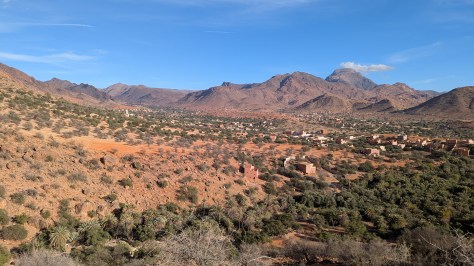


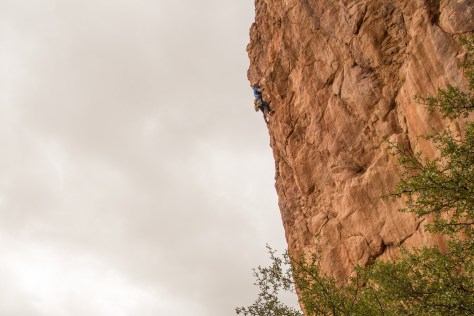


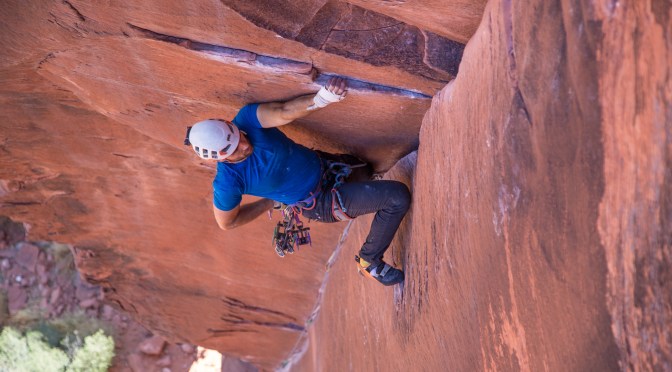
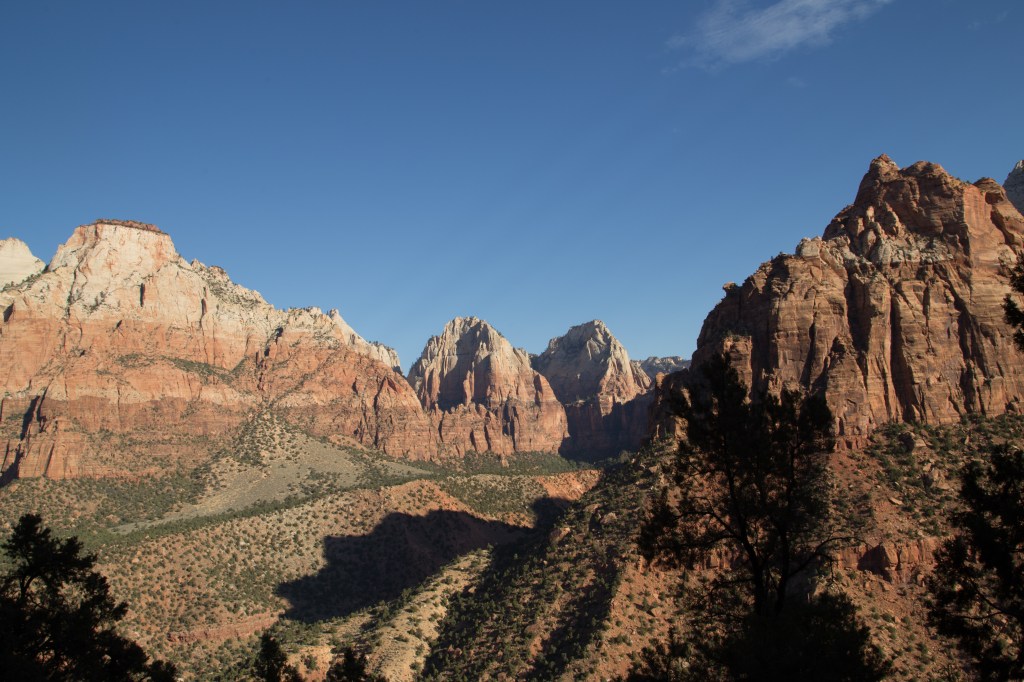
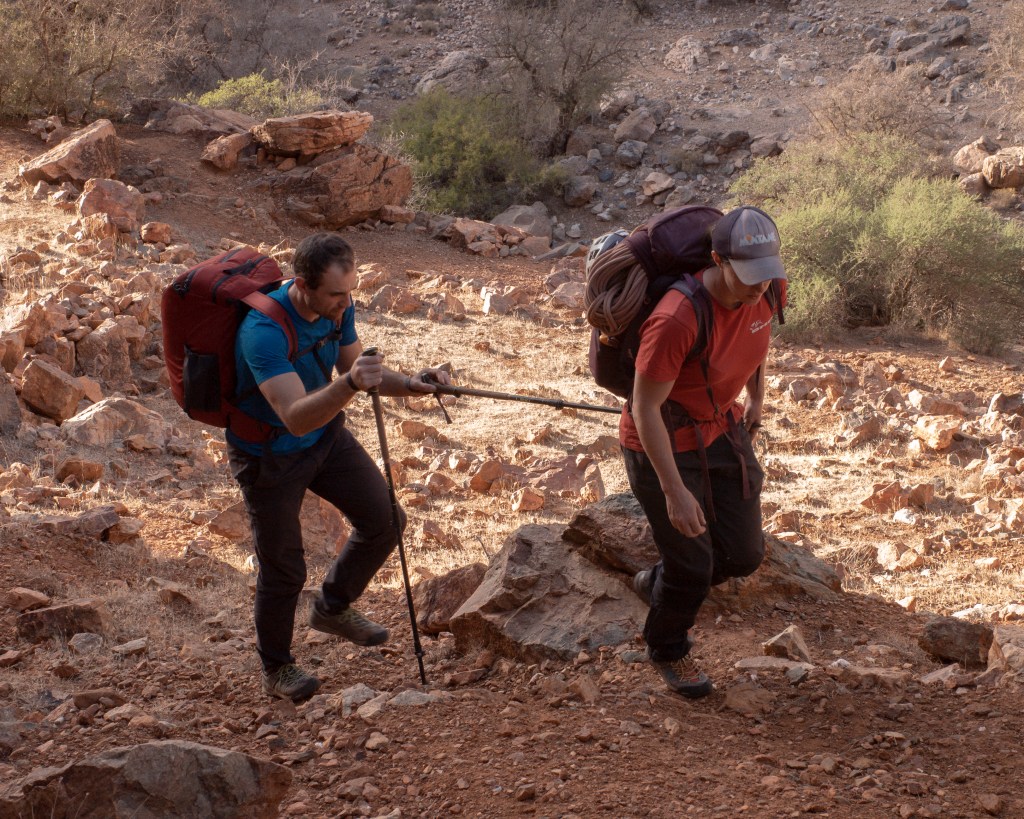
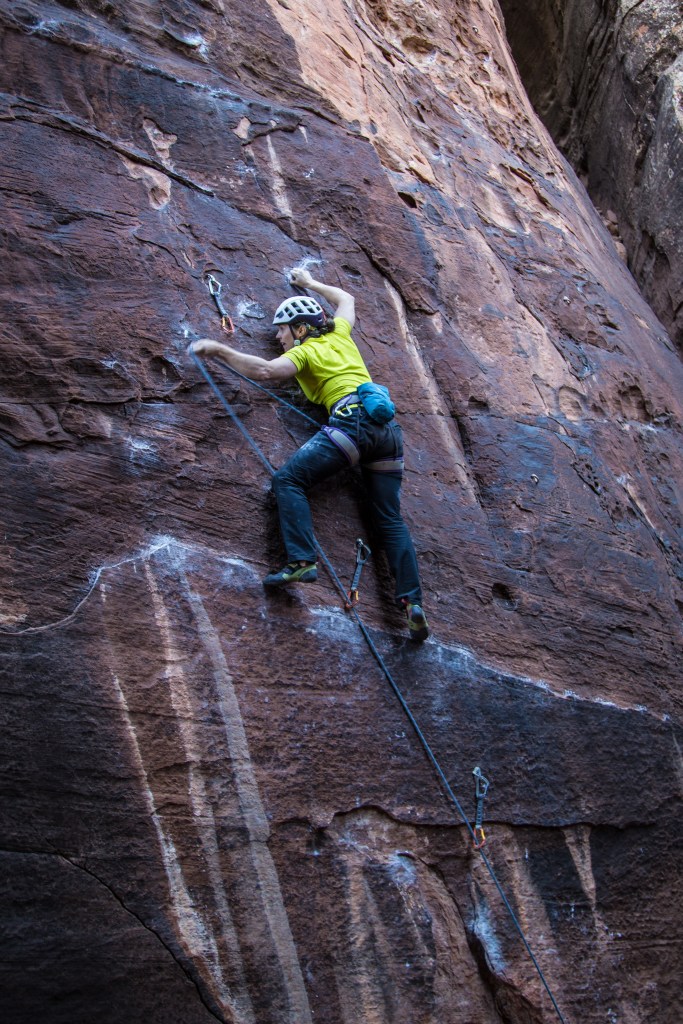
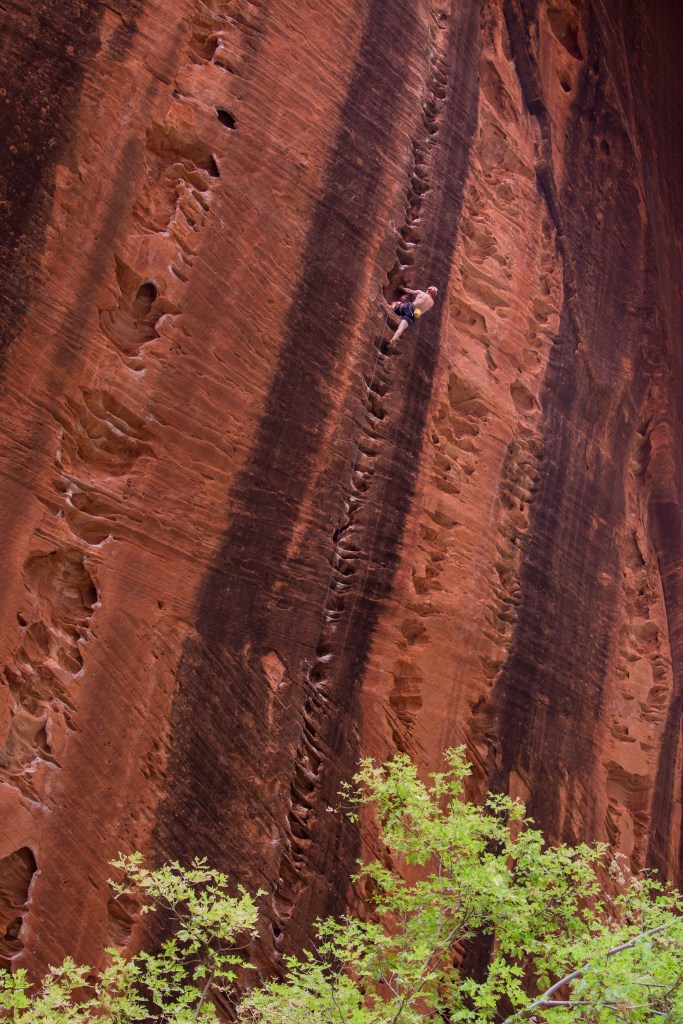
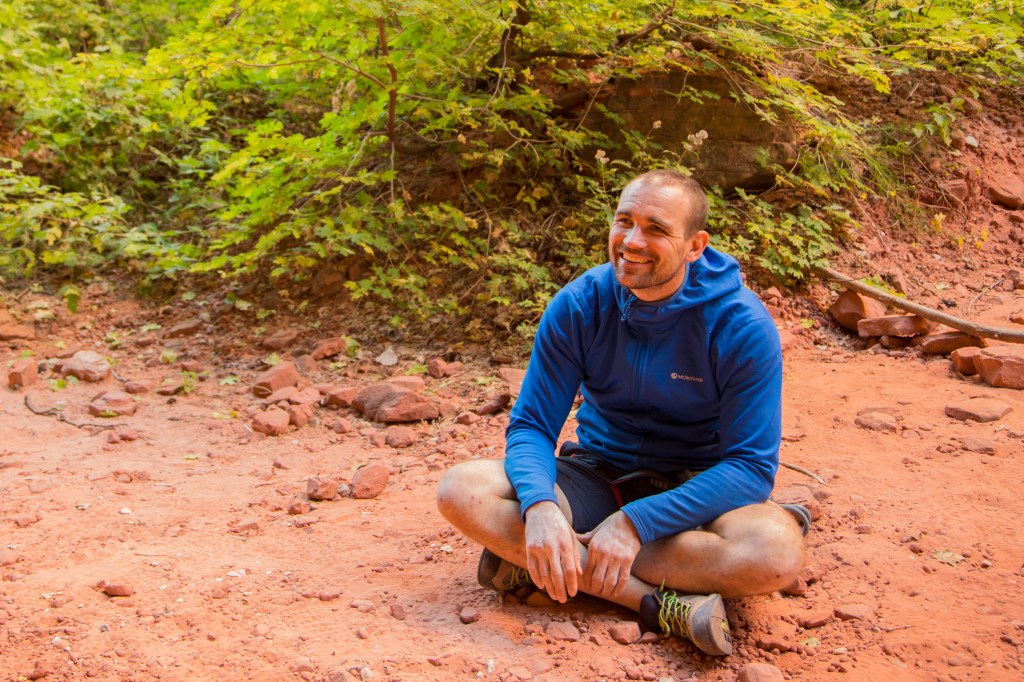
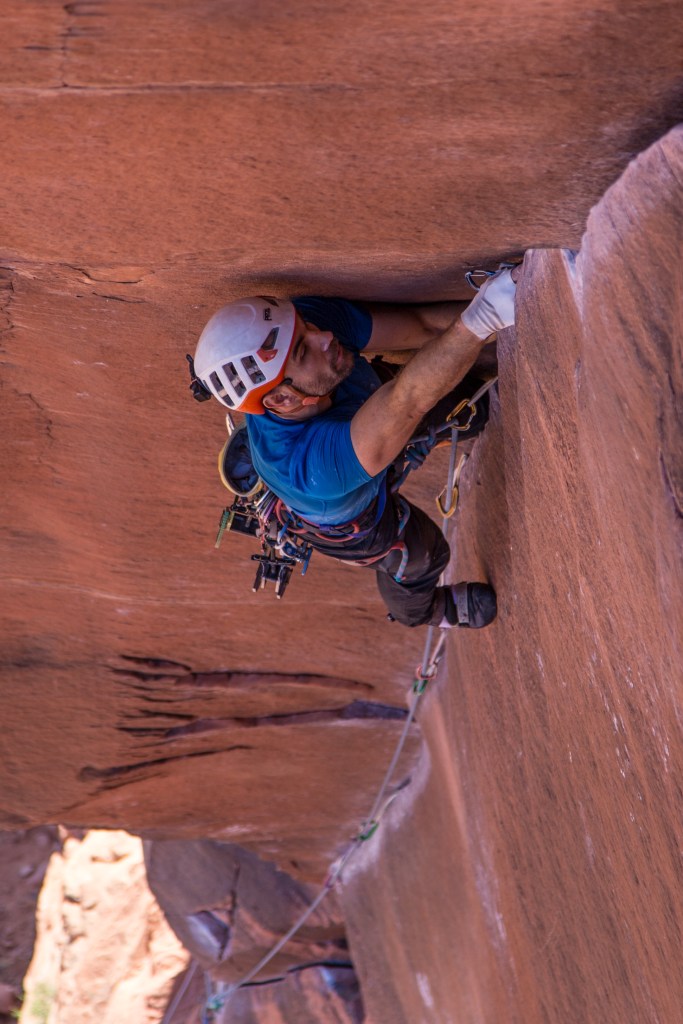


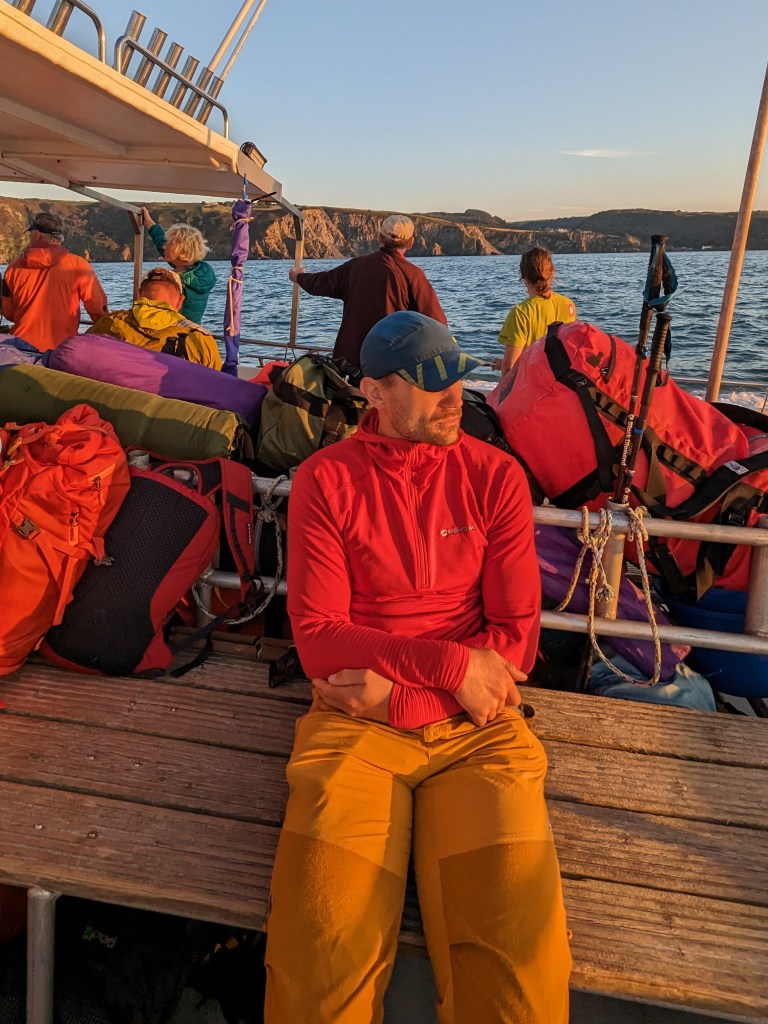


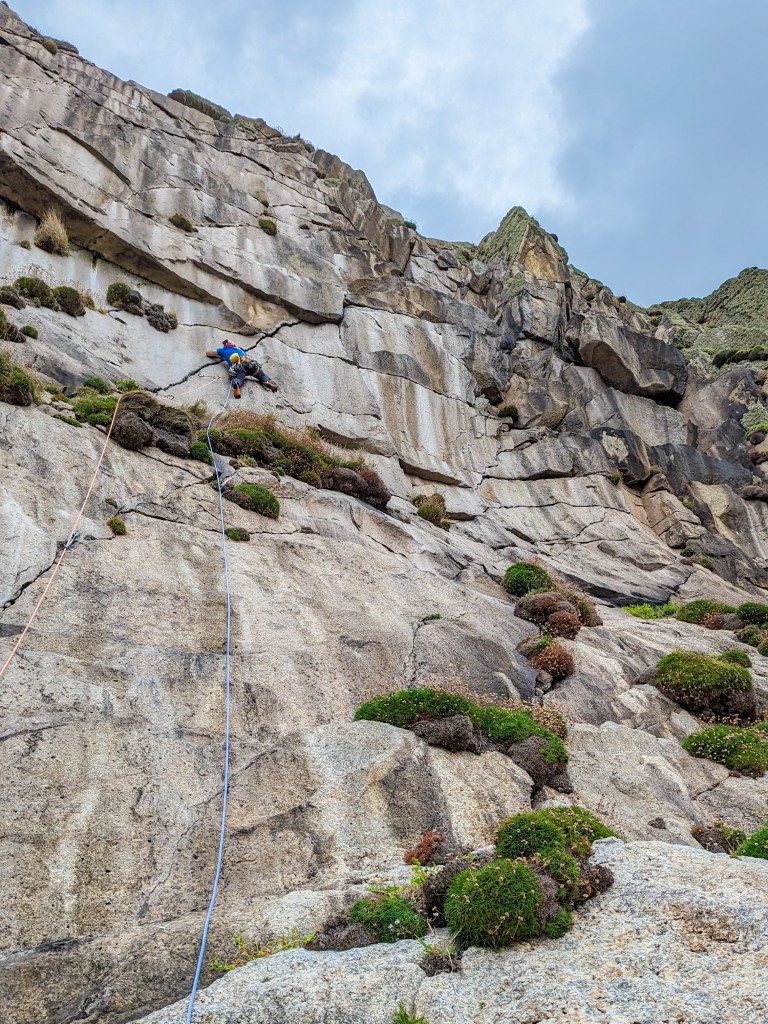




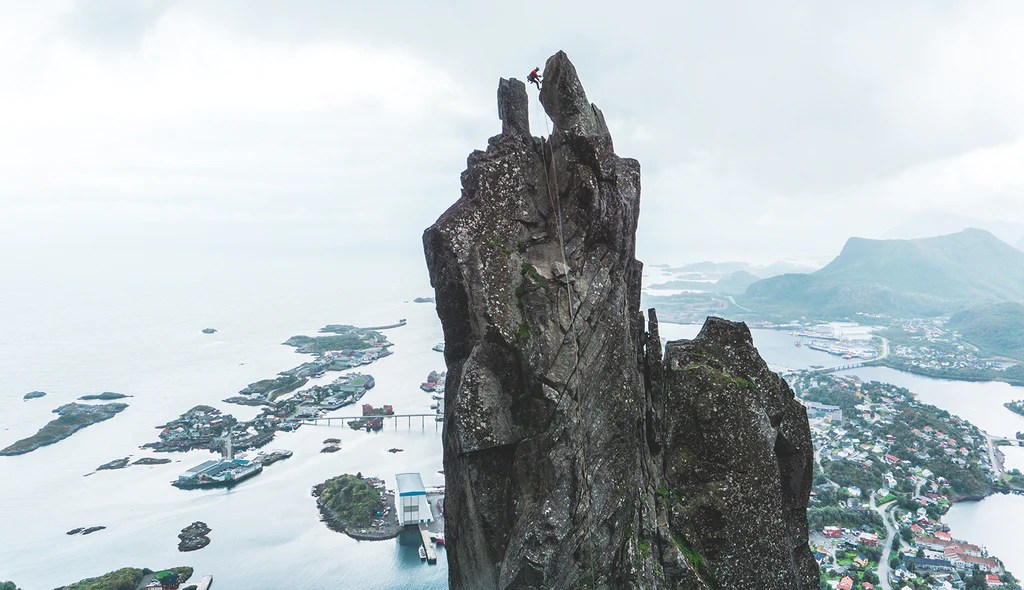
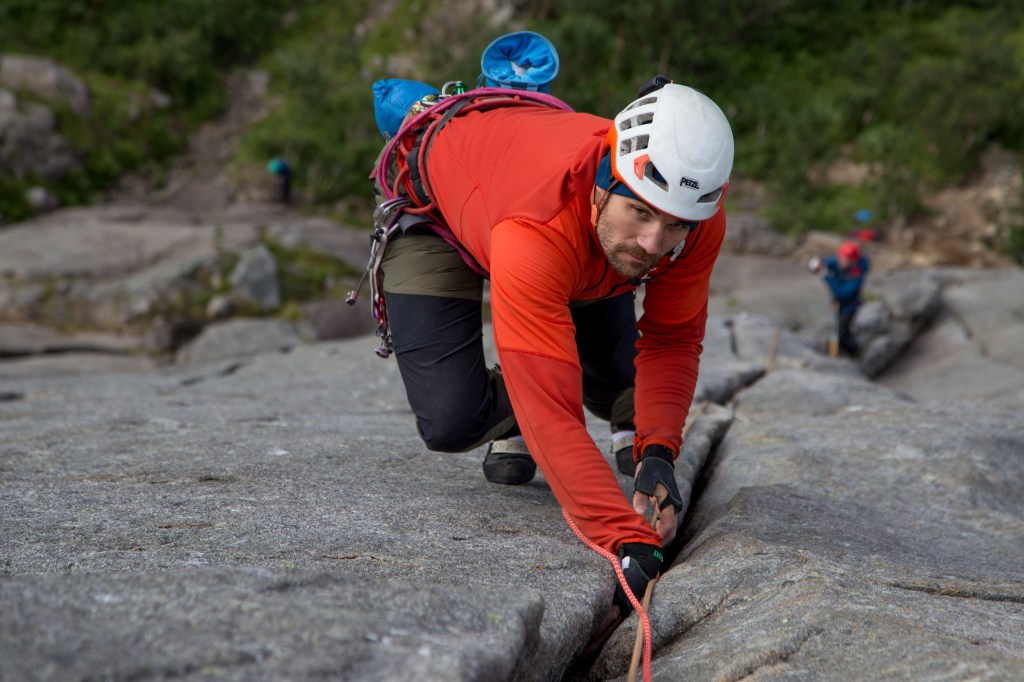
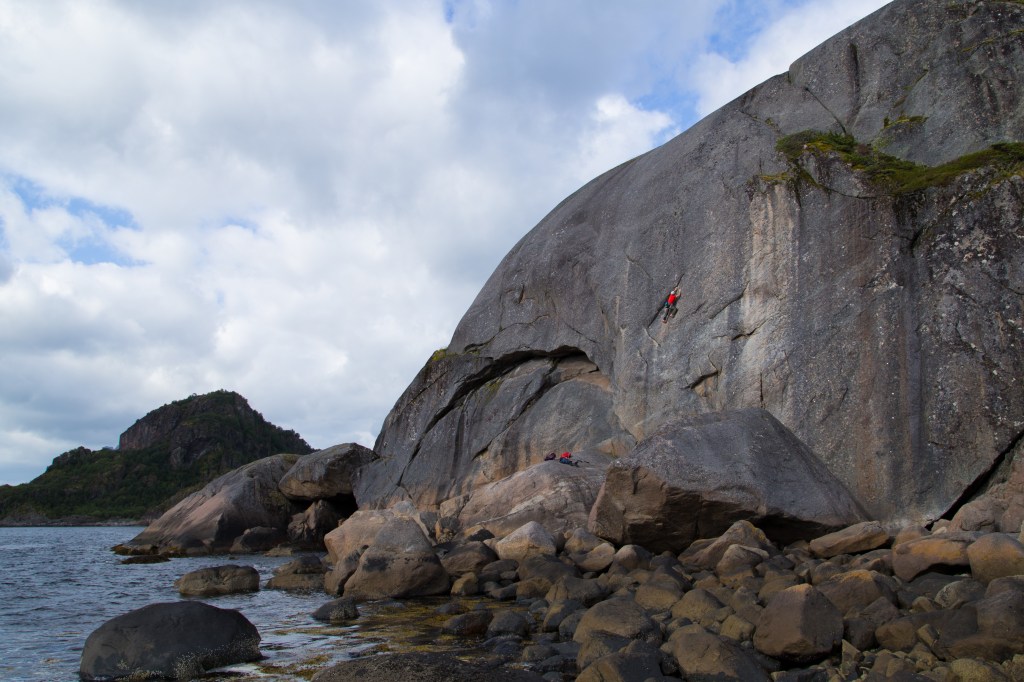
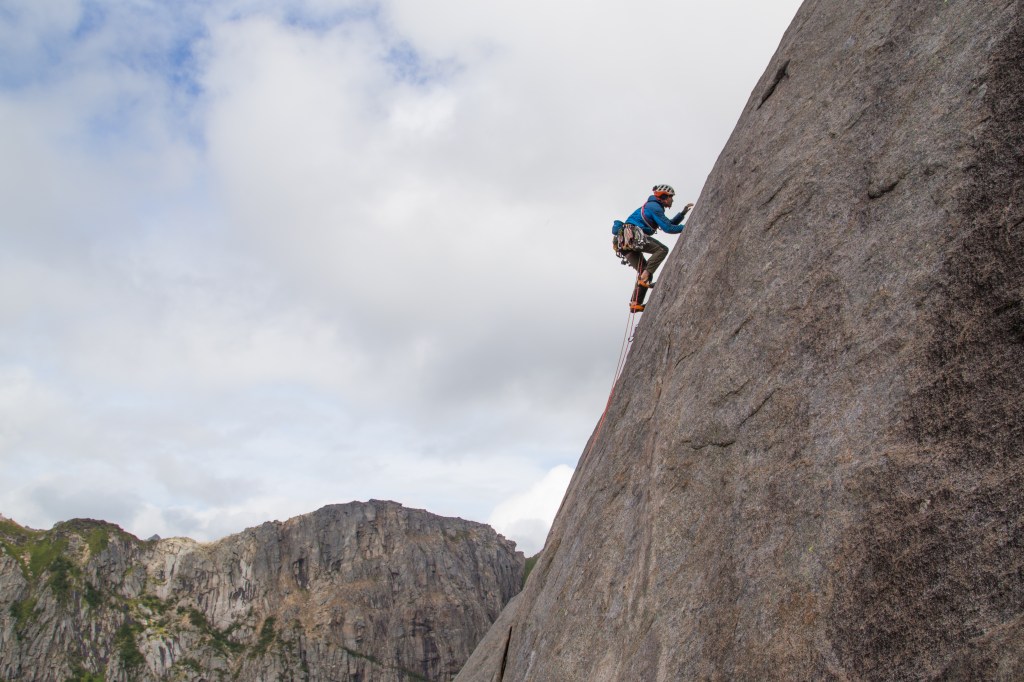

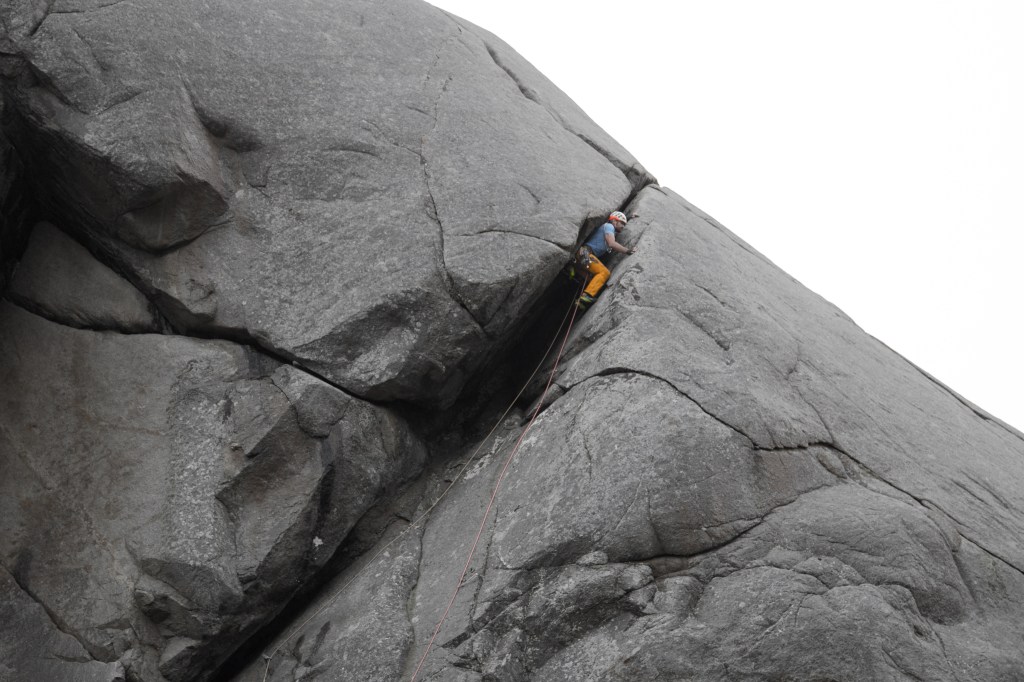
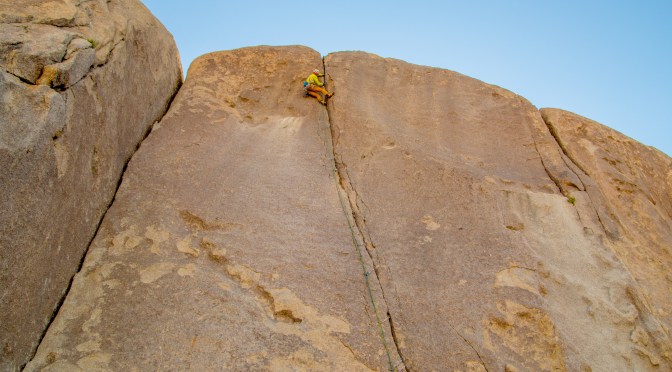
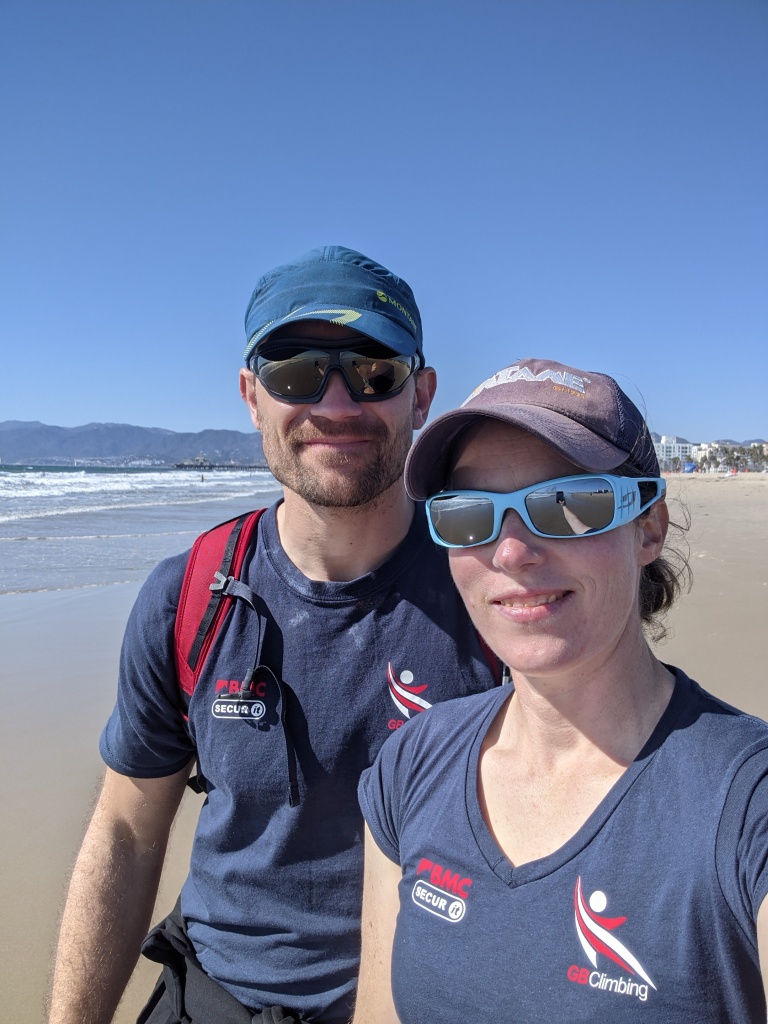
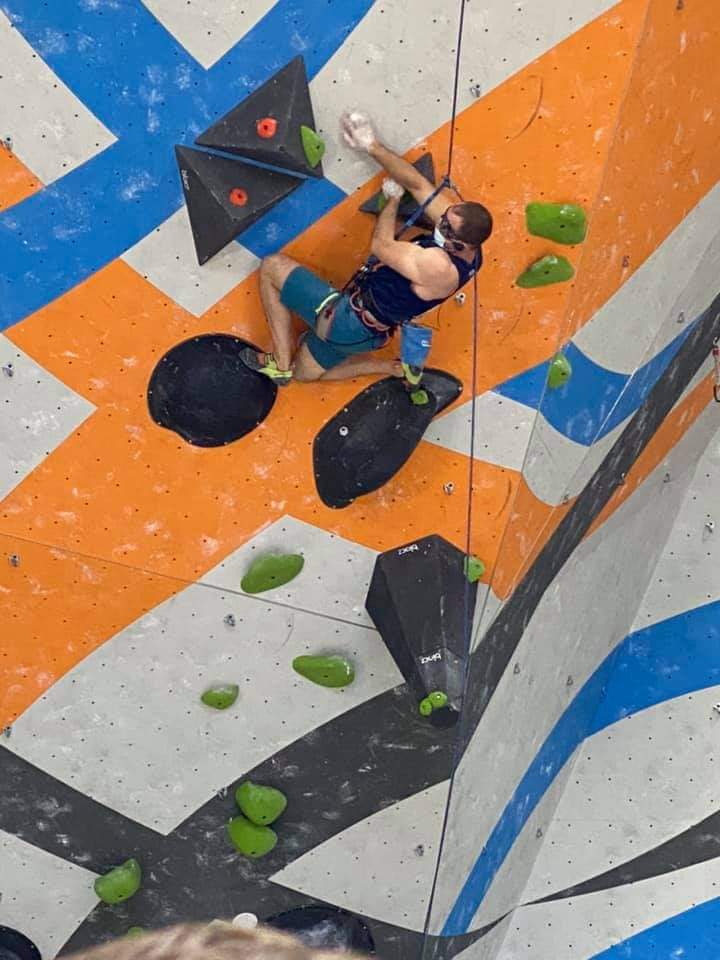
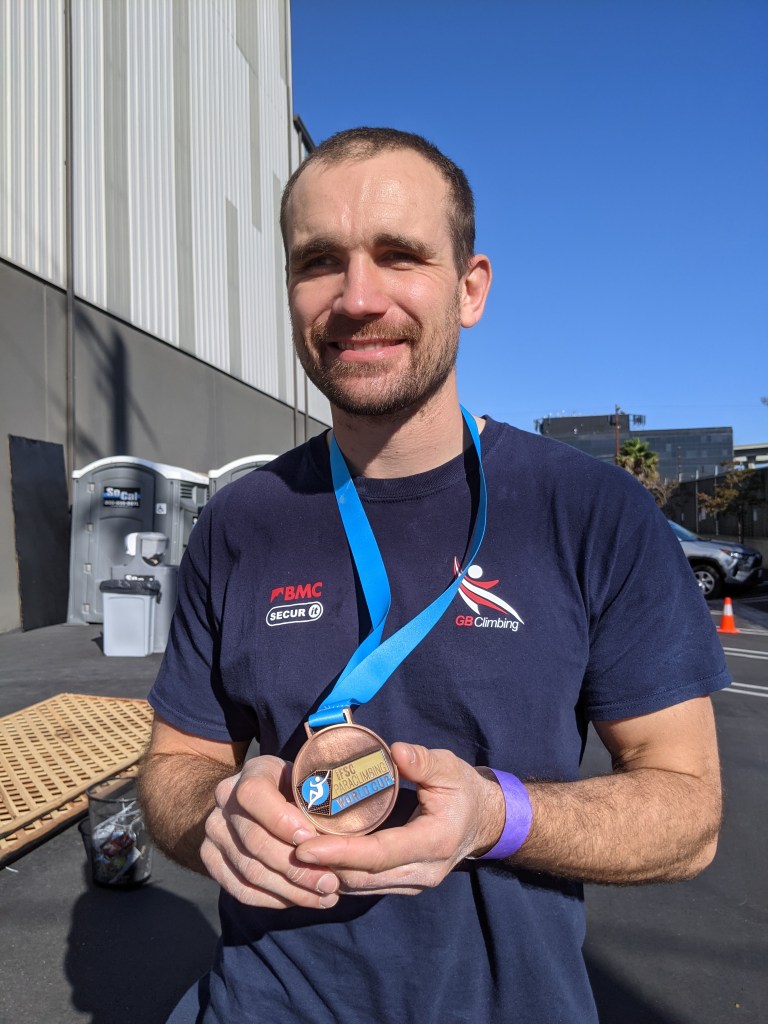
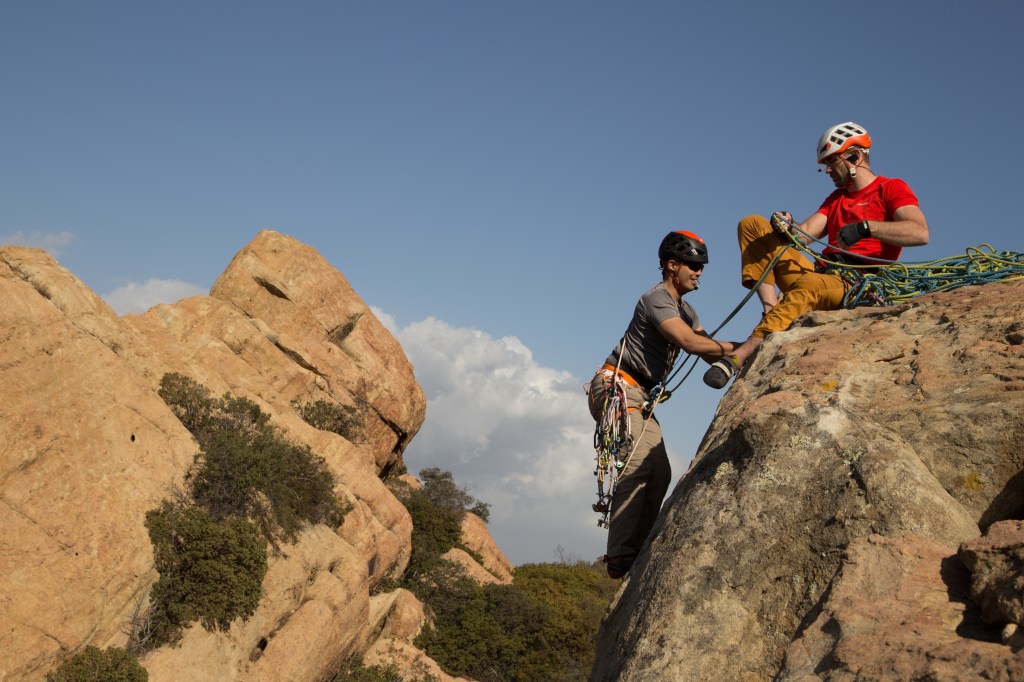
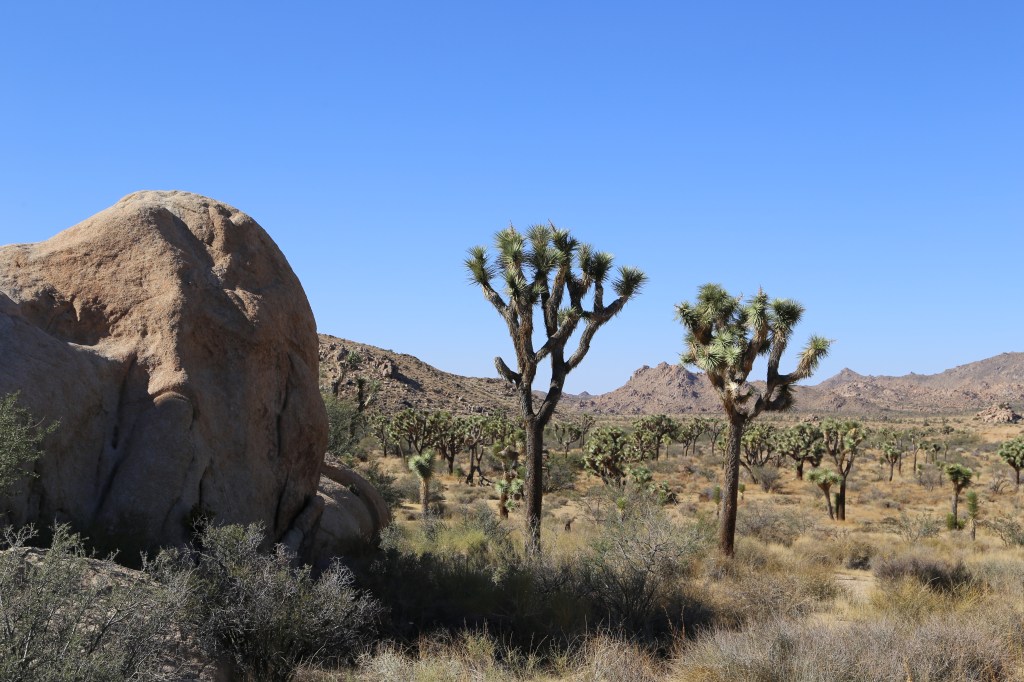
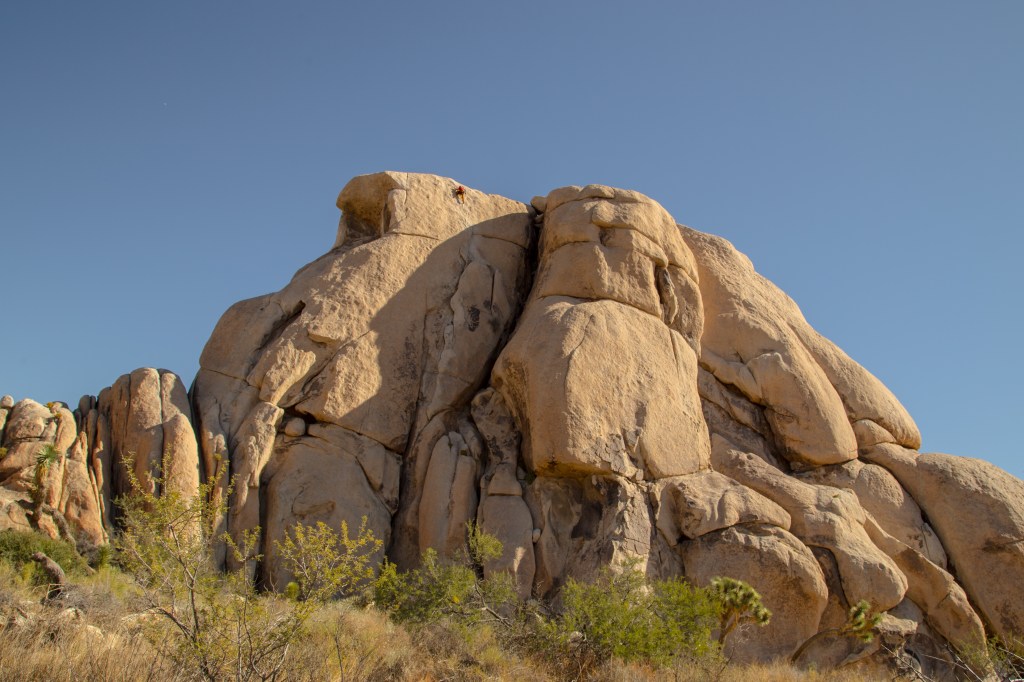
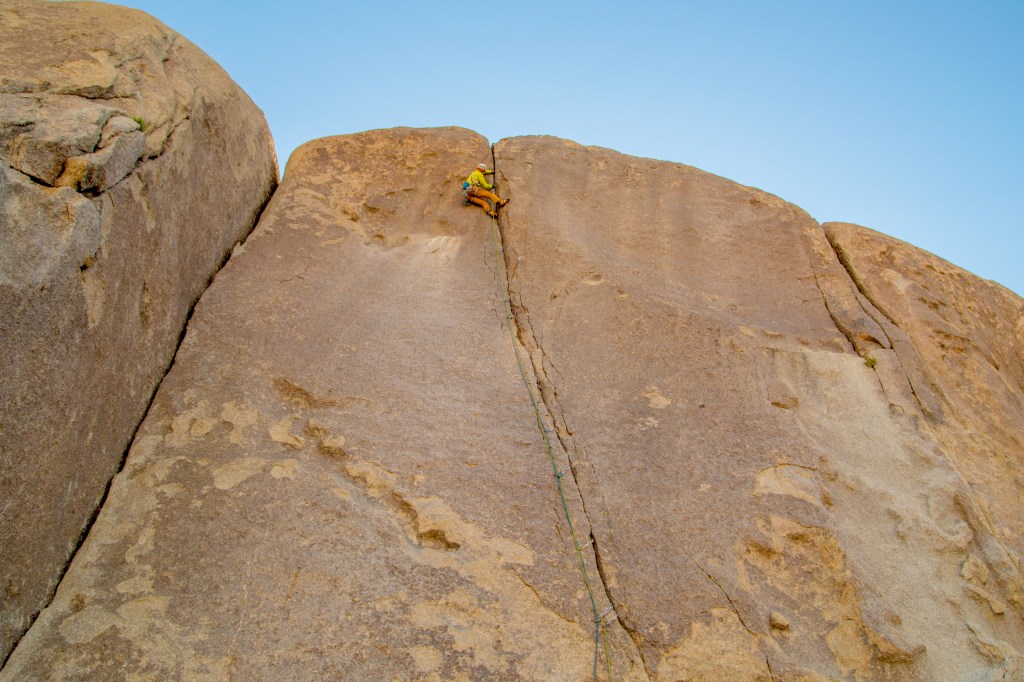
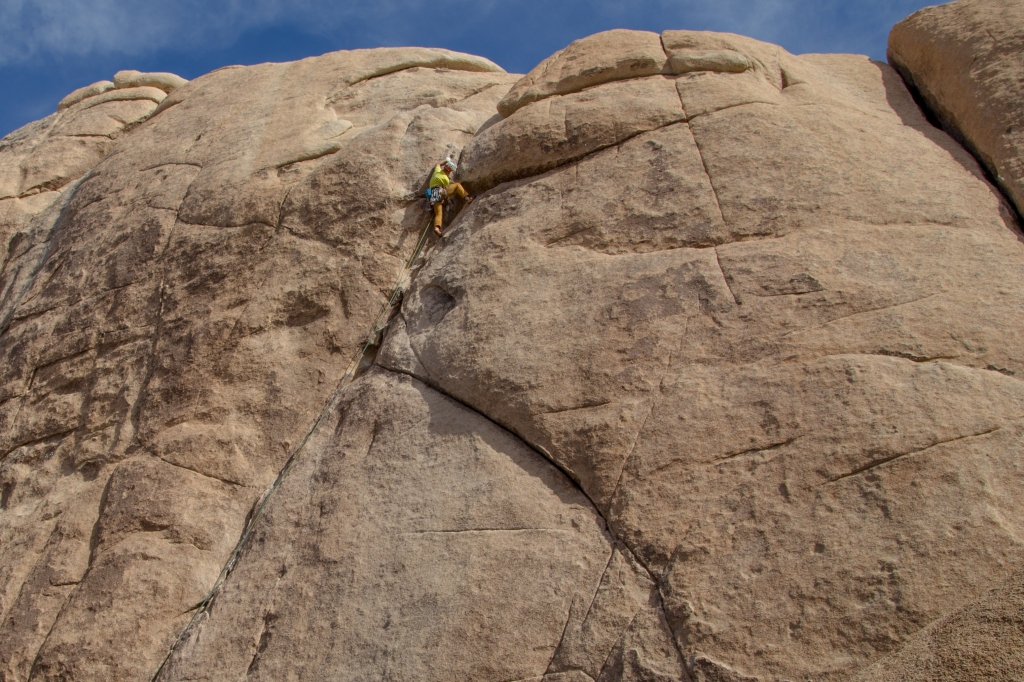
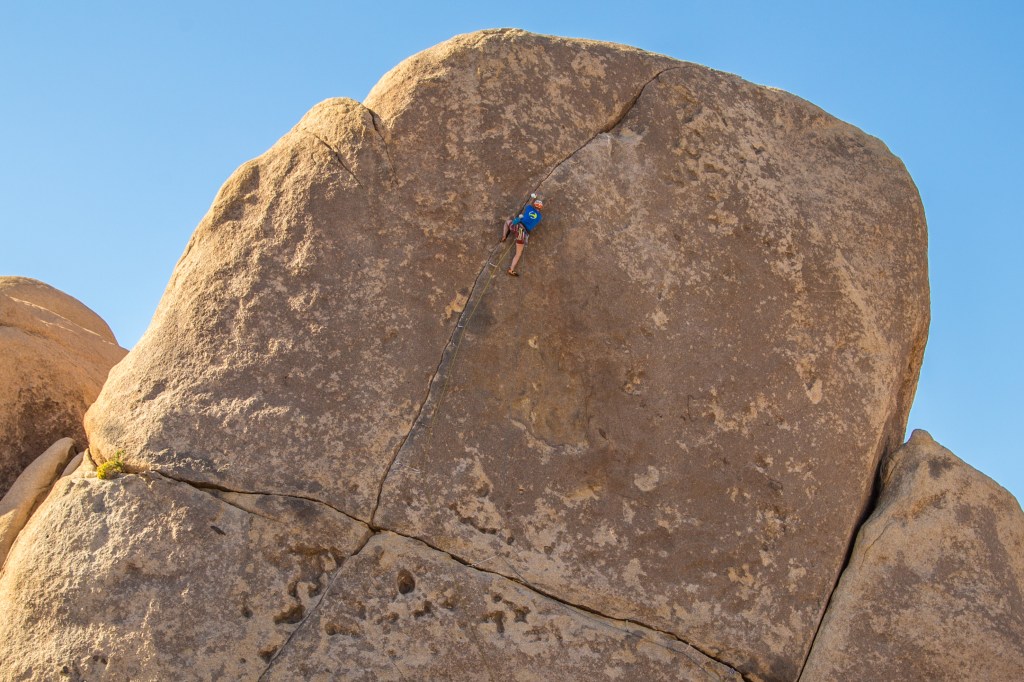
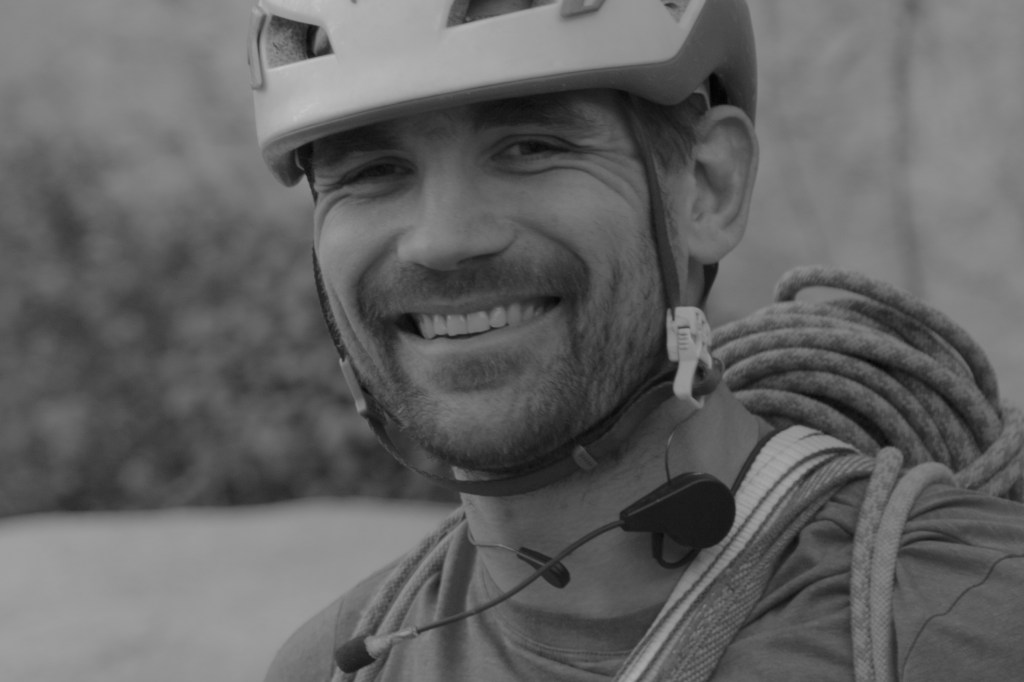

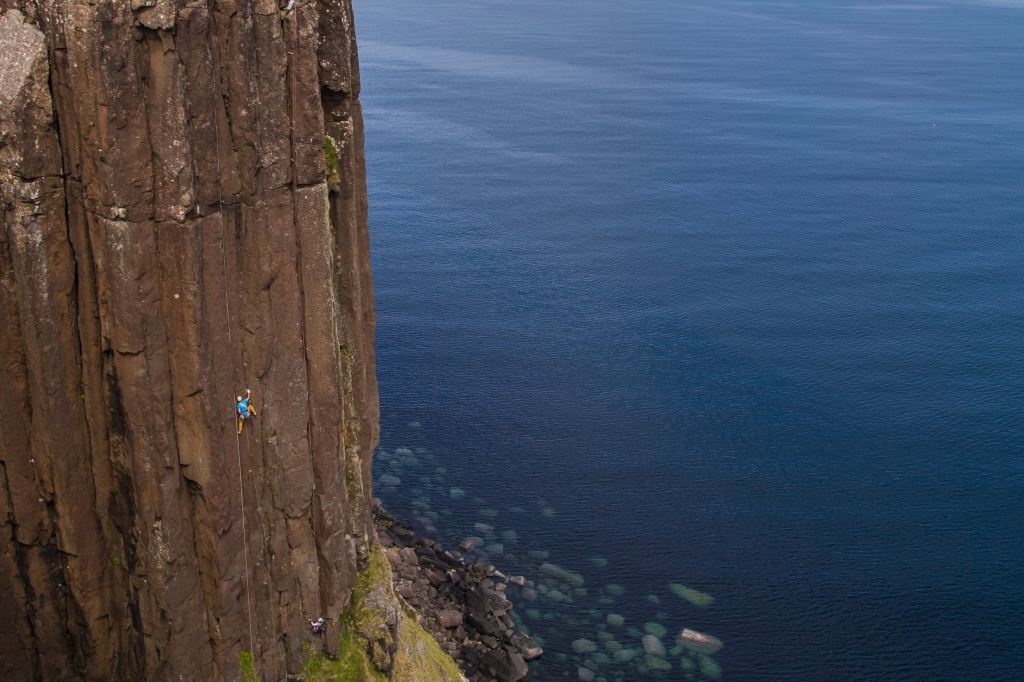
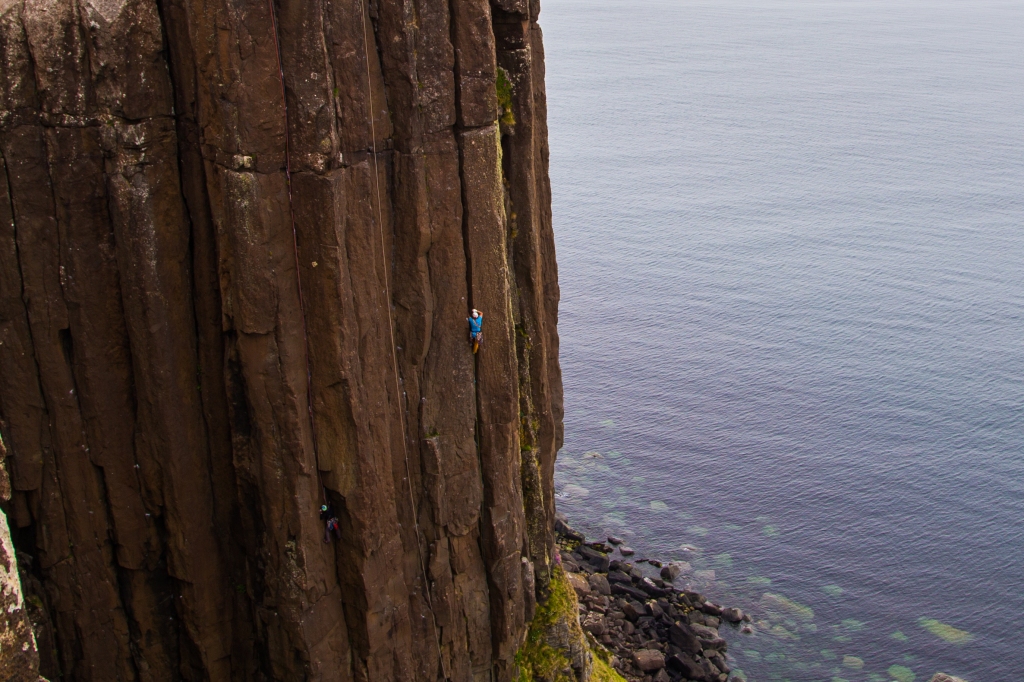
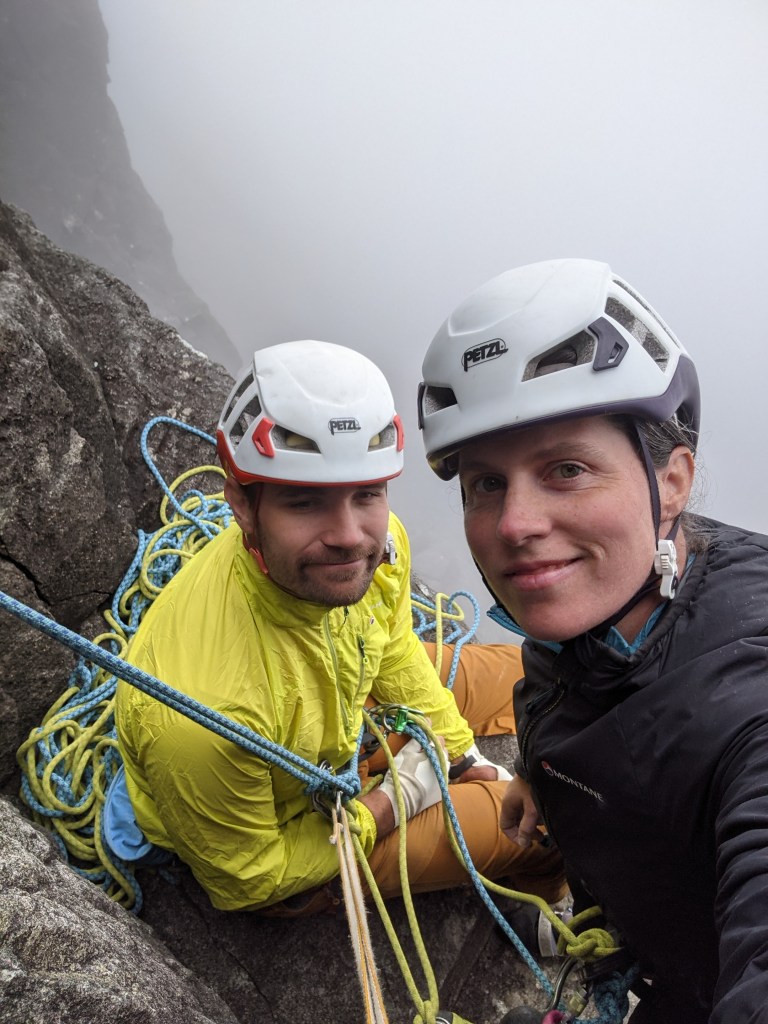

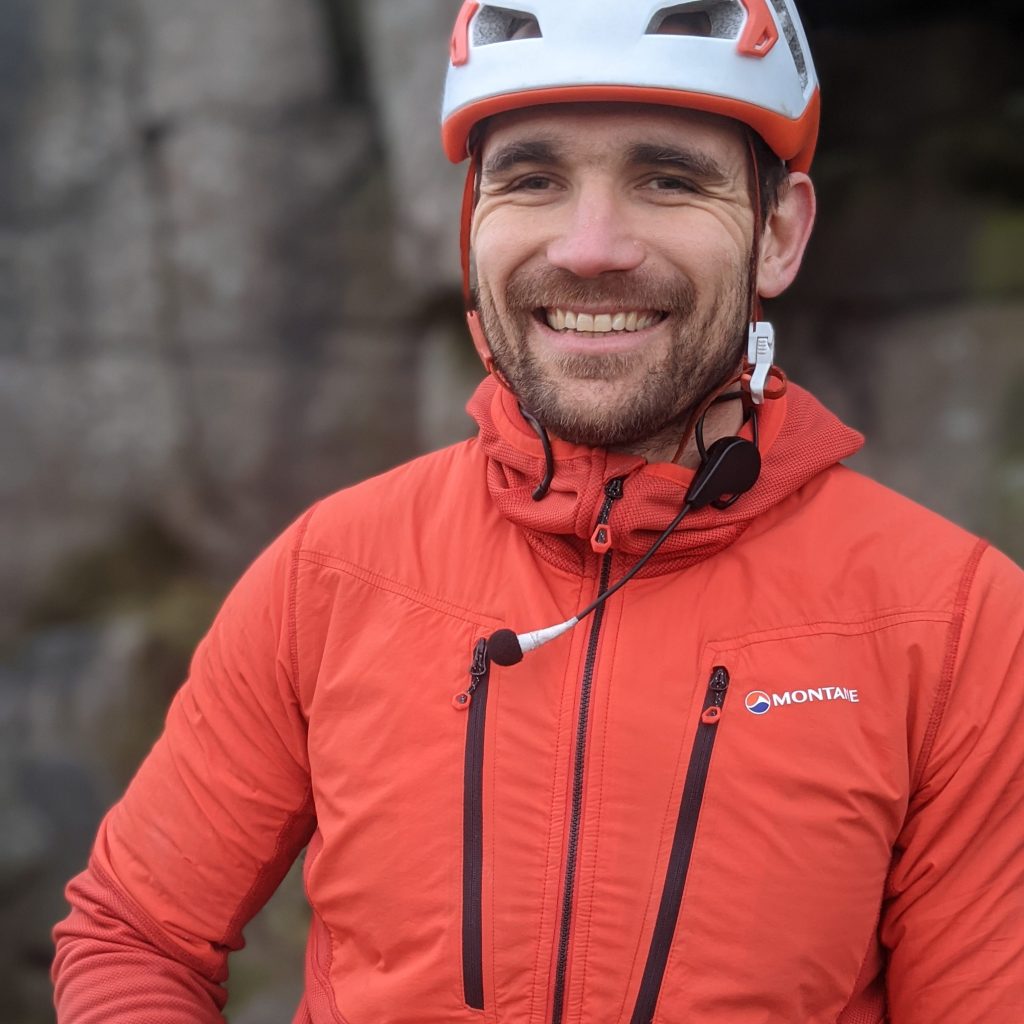
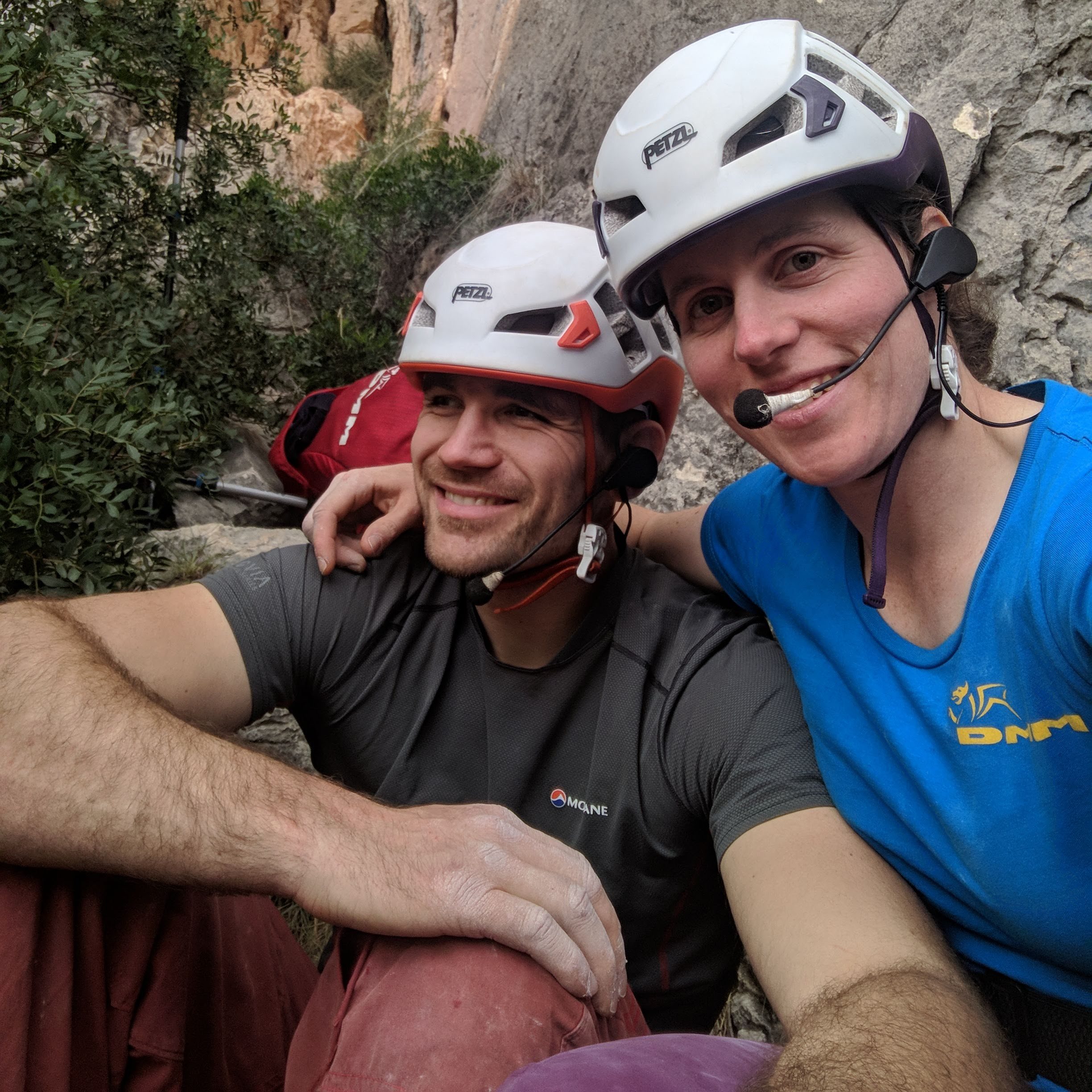

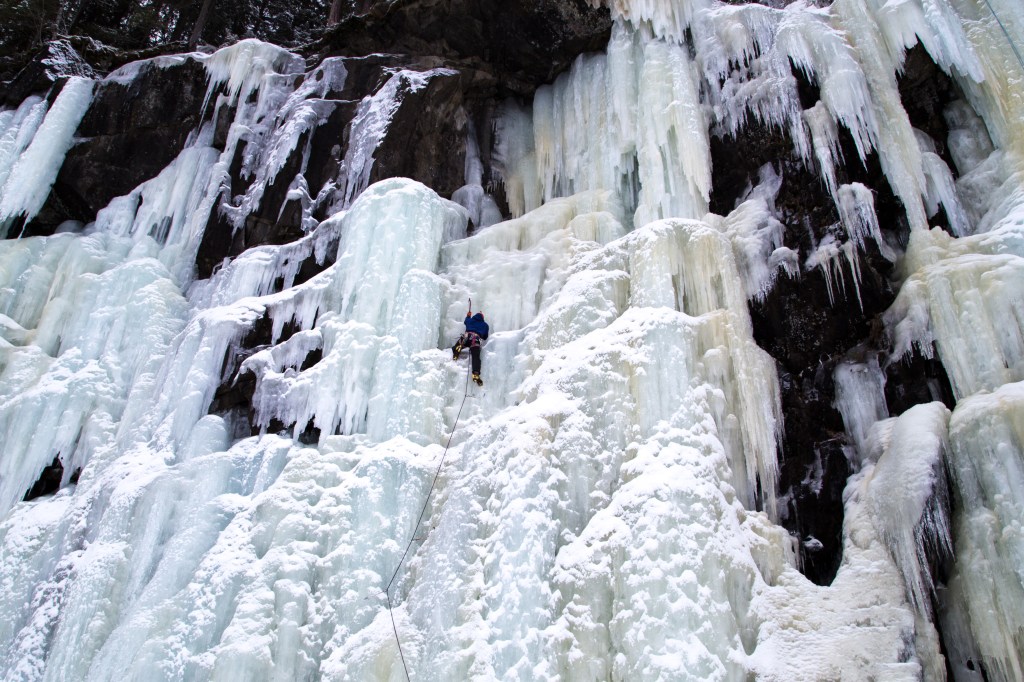

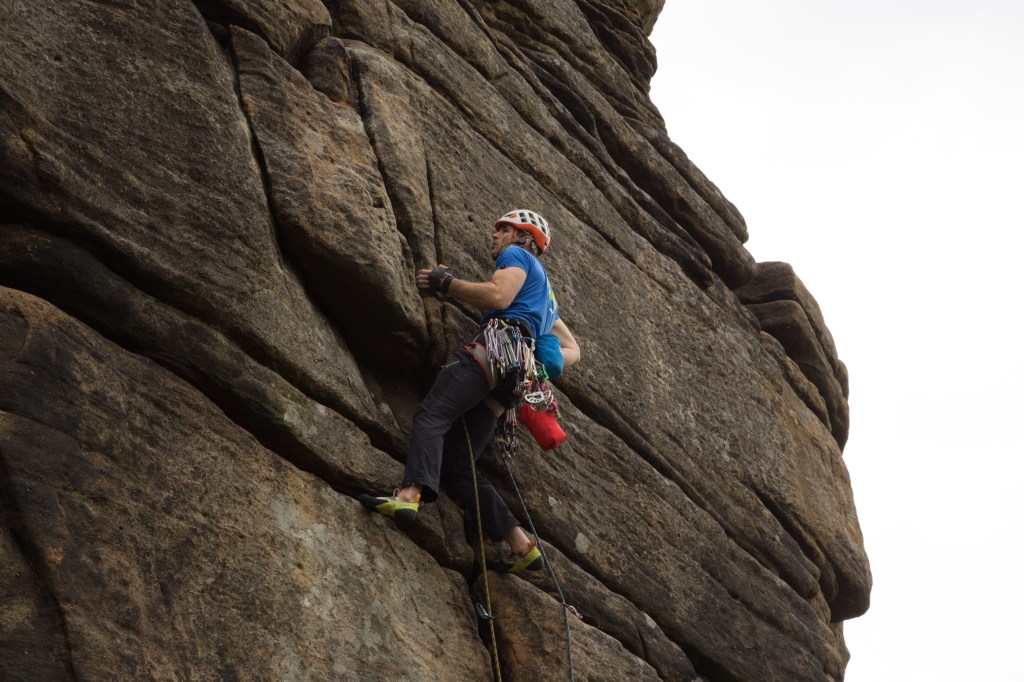


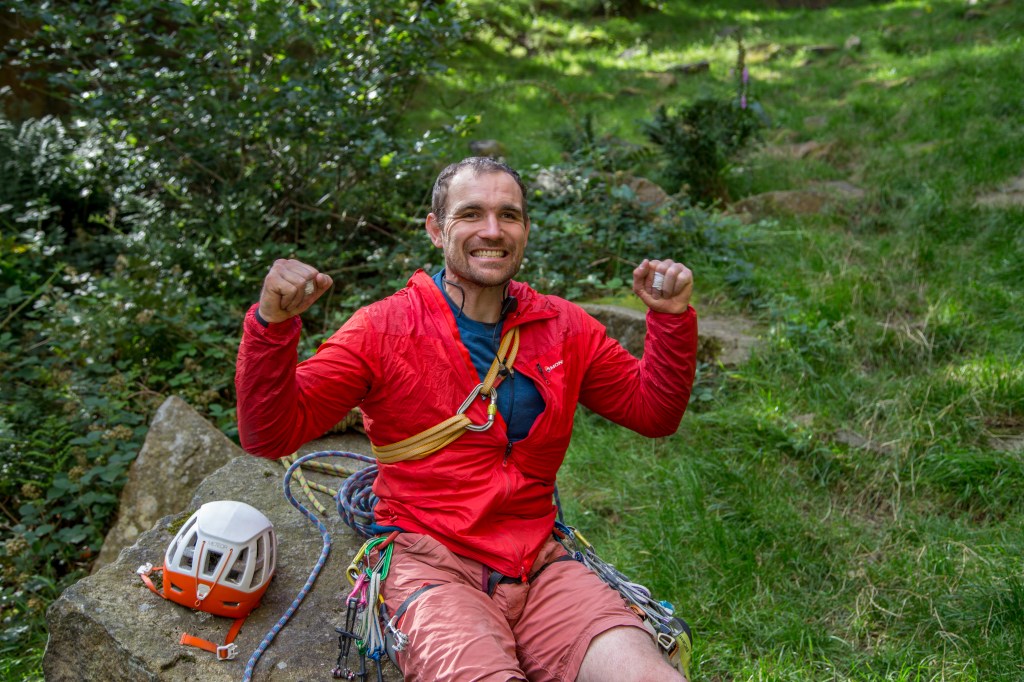


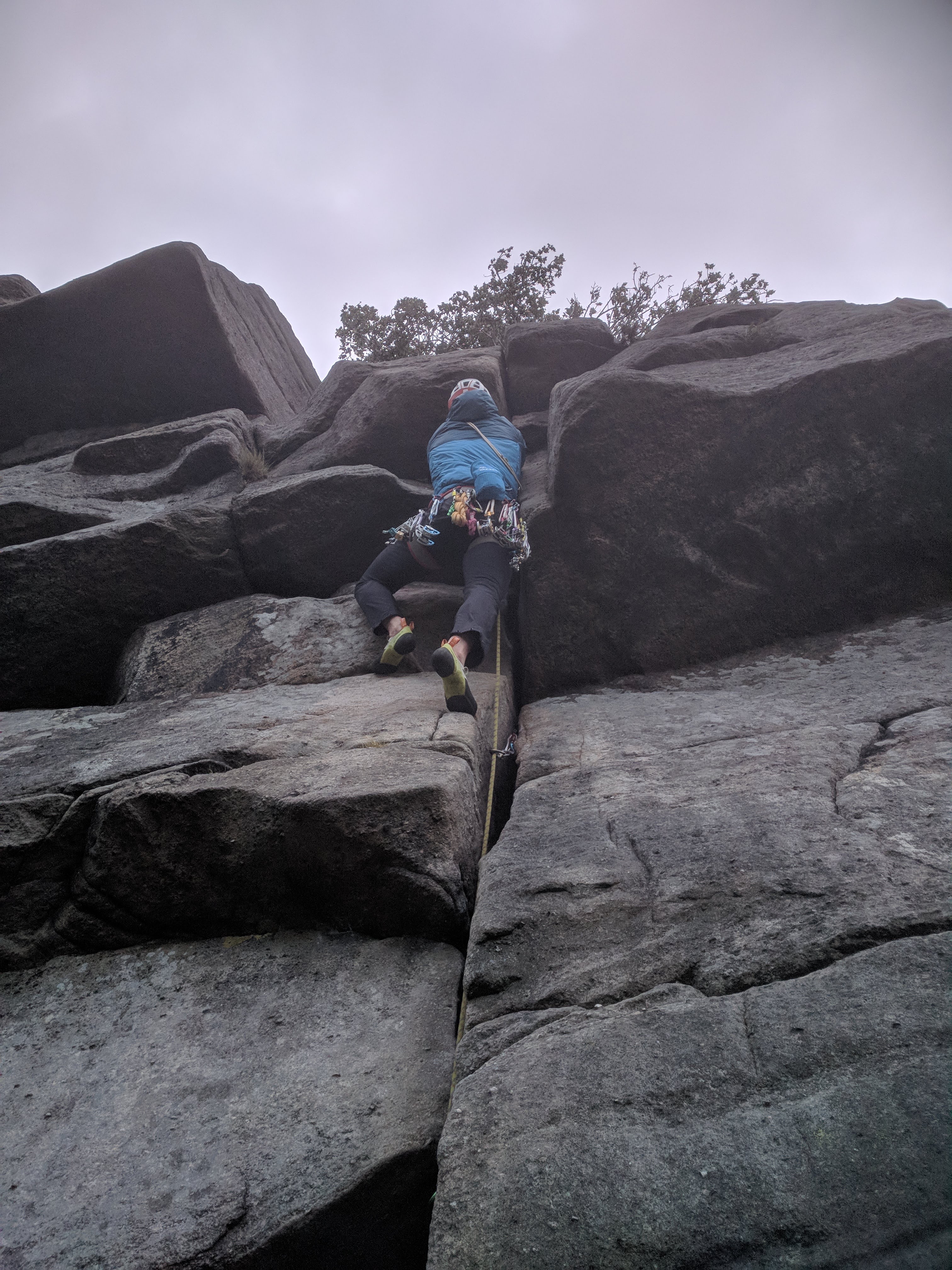

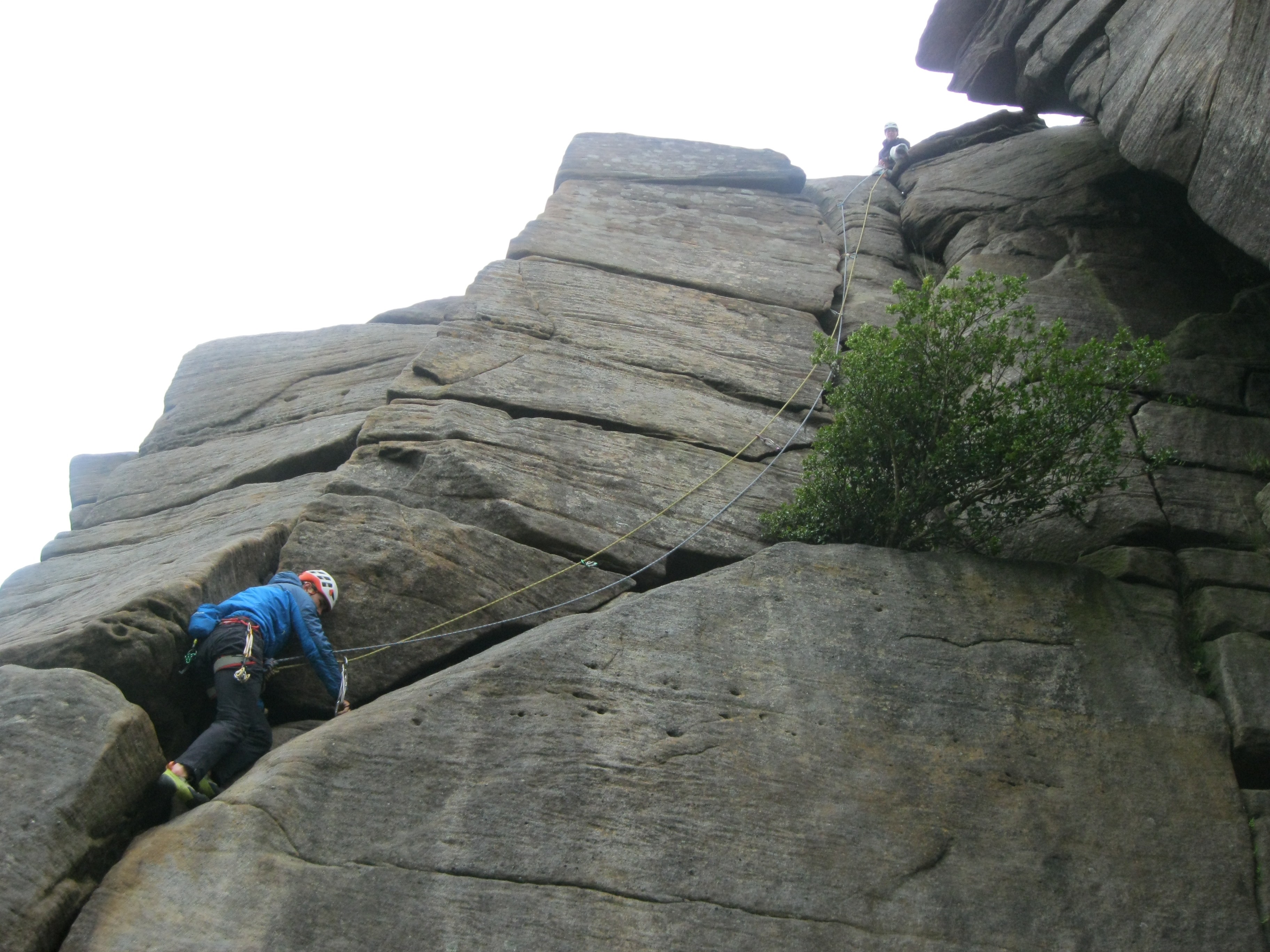


 Jesse Dufton Climbing Blind